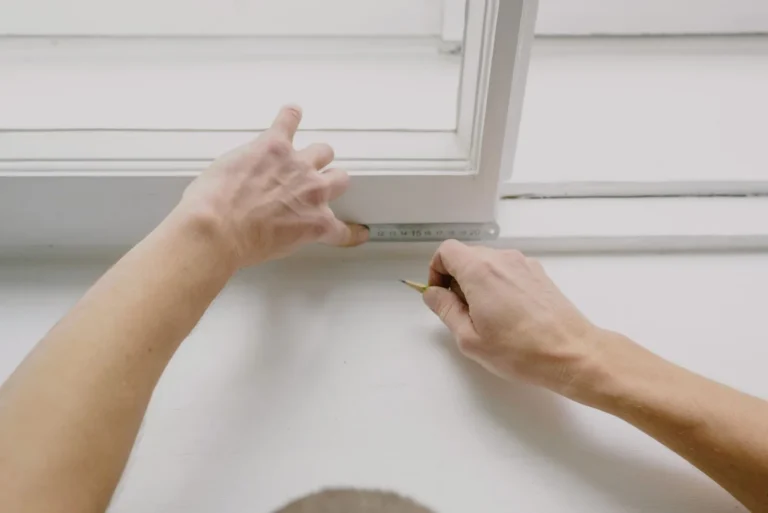

Best Window Replacement Cost in 2026: What You’ll Actually Pay
The best window replacement cost isn’t a single number you can Google and be done with. It depends on the window style, the frame material, the glass package, and the labor market where you live. Most homeowners in the U.S. spend between $600 and $1,300 per window installed, with full-home projects running anywhere from $3,000 to $12,000 or more depending on size and quality.
That range is wide for a reason. A basic vinyl double-hung window from a big-box store costs far less than a custom fiberglass picture window with triple-pane glass. Understanding what drives the price—not just the headline figure—is the only way to get the best window replacement cost without overpaying or cutting a corner you’ll regret.
This guide breaks down real per-window prices, the factors that change them, and the trade-offs worth making. It’s written for homeowners who want actual numbers, not a sales pitch.
How Much Does Window Replacement Cost Per Window?
Window replacement is priced per window in almost every bid you’ll receive. The national average lands around $850 per window including materials and professional installation, but the useful figure is the spread.
| Factor | Budget Replacement | Mid-Range Replacement | Premium Replacement |
|---|---|---|---|
| Frame material | Vinyl | Wood or composite | Fiberglass or wood-clad |
| Glass package | Double-pane, clear | Double-pane, Low-E | Triple-pane, Low-E + argon |
| Typical cost per window | $300–$550 | $600–$1,000 | $1,100–$2,500+ |
| Window style | Fixed or single-hung | Double-hung or casement | Bay, bow, or custom picture |
| Best for | Rental or quick flip | Primary residence | High-efficiency or historic |
These are installed prices. The window unit itself is usually 50–70% of the total; the rest is labor, trim, sealing, and disposal of the old unit. For a deeper look at how labor gets priced into each job, see how much do window installers make per window.
What Affects the Best Window Replacement Cost?
Four variables do most of the work in any estimate, and they compound quickly.
Frame Material
Vinyl is the value leader and the most common choice nationwide. Fiberglass costs more but resists warping and temperature swings better, making it a strong pick in hot or cold climates. Wood looks premium and can be painted to match trim, but it needs maintenance and runs $1,000+ per window. Composite and wood-clad options sit in the middle on price and maintenance.
Glass Package and Energy Efficiency
A basic double-pane window with clear glass is the cheapest package. Adding Low-E coatings, argon or krypton gas fills, and a third pane climbs the price by 20–60% per window. The payback comes in utility bills—an efficient window can cut the heat gain or loss through that opening by 30–50%, which is why an upgrade here is usually the best money spent.
Window Style
Fixed and single-hung windows are the least expensive because they have the fewest moving parts. Double-hung and slider windows cost more. Casement and awning windows add mechanical hardware and a tighter seal. Bay, bow, and custom-shaped units are the priciest, frequently $2,000–$5,000 installed because they require structural framing changes.
Labor and Location
Labor is the least predictable line item. Installation runs $100 to $400 per window in most markets, but metro areas with high demand can push that higher. Homes with hard-to-reach openings, deteriorated framing, or stucco and brick exteriors will also cost more because each unit takes longer to set correctly.
Replacement Cost by Window Style
Style matters more than most homeowners expect. Here’s what you can plan for at mid-range quality, installed.
- Double-hung: $400–$1,000 per window. The default choice; both sashes operate for easy cleaning.
- Casement: $500–$1,100. Crank-operated, seals tightly, good for ventilation and energy savings.
- Slider: $350–$900. Simple and affordable, popular in ranches and modern homes.
- Picture/fixed: $300–$1,200. Inexpensive per unit, but large custom sizes push the high end.
- Bay or bow: $1,800–$4,500. A multi-window projection that changes the room and the roofline.
If you want to see how these prices compare across a full project rather than a single unit, the numbers in how much do window companies charge per window break down contractor markup versus retail.
Vinyl vs. Fiberglass vs. Wood: Which Gives You the Best Value?
The “best” cost is the one that matches how long you’ll stay in the home. Short-term buyers care about upfront price; long-term owners care about total cost of ownership.
- Vinyl is the best value for most people: $400–$800 installed, minimal maintenance, solid energy performance, and a 20–30 year lifespan.
- Fiberglass is the durability pick: $800–$1,600 per window, very stable in extreme temperatures, and it can be painted. Higher upfront cost, longer life.
- Wood is the aesthetic pick: $900–$2,500, unmatched looks, but it needs scraping and repainting over time. Great for character homes, poor for a low-maintenance budget.
There’s no single right answer. If you plan to stay ten years, spending the extra on fiberglass or a higher-efficiency vinyl almost always works out cheaper when you factor utilities and maintenance into the total.
How to Get the Best Window Replacement Cost Without Overpaying
Contractor quotes for the same window can vary by 30% or more, so the buying process matters as much as the product.
Get at least three written quotes. Insist on line-item estimates that separate the window unit, installation labor, and extras like trim or disposal. A lump-sum bid hides where the margin is.
Buy the window and installation together. Mid-size and larger companies price better when they supply both, because they control the material cost. Splitting the purchase between a supply house and a freelancer rarely saves anything after coordination headaches.
Time your project. Window installers are busiest in spring and fall. Booking for late winter or early spring can shave 5–10% off some bids, and some manufacturers run seasonal rebates that installers pass through.
Check for utility and tax incentives. High-efficiency windows qualify for the federal Energy Efficient Home Improvement Credit, and many local utilities offer per-window rebates for Energy Star units. These credits are real money off the best window replacement cost—often $50 to $600 per opening, according to Energy.gov’s guidance on window incentives.
Frequently Asked Questions
What is the best window replacement cost for a whole house?
For an average single-family home with 10–15 windows, expect $8,000 to $15,000 for mid-range vinyl installed. Higher-end fiberglass or wood, or homes with bay windows and custom openings, can run $20,000–$40,000. Get a per-window breakdown to make the number meaningful—our window replacement cost per window guide covers exactly that math.
Is it cheaper to replace all windows at once?
Usually yes, on a per-window basis. Installers can prep and run a full crew efficiently, and they often discount volume. You also pay only one mobilization and cleanup fee instead of one per visit. The trade-off is a larger single check, which some homeowners fund in phases instead.
How long do replacement windows last?
Vinyl windows last roughly 20–30 years, fiberglass 30–50, and well-maintained wood can last 50+. The seals and hardware tend to fail before the frame, so a quality installation matters as much as the window itself. A poorly flashed install will fail early no matter what you bought.
Should I replace windows or repair them?
Repair is cheaper when the issue is a single failed seal, a broken latch, or cracked trim—usually $100–$400 per window. If the frames are rotting, the glass is old single-pane, or drafts are obvious, replacement is the better long-term spend. Compare both against the average pricing in how much is the average window replacement cost before deciding.
Do new windows really pay for themselves?
Partially. Energy savings alone rarely recoup a full replacement quickly—most homeowners see $100–$400 per year in heating and cooling savings, per This Old House’s window cost reporting. The bigger return is comfort, noise reduction, and resale value, which is why most experts treat windows as a home improvement rather than a pure investment.
The Bottom Line
The best window replacement cost is the one that balances quality, efficiency, and installation for your specific home and timeline. For the largest share of homeowners, that lands around $600 to $1,000 per mid-range vinyl window installed, with upgrades to fiberglass, wood, or triple-pane glass pushing the envelope higher.
Start with at least three itemized quotes, compare frame materials against how long you’ll stay in the home, and stack any energy-efficiency credits you qualify for. If you want to test your own numbers before the first contractor walks in the door, plug your project into our window replacement cost calculator. The more you know the line items, the harder it is to overpay.