
How Much Should Window Installation Cost in 2026?
If you have drafty, foggy, or hard-to-open windows, you have probably already typed some version of this question into a search bar. The short answer: most homeowners in the United States pay between $300 and $1,200 per window installed, with the national average for a full-home project landing around $7,000 to $15,000 when you replace ten to fifteen windows at once. The honest answer is that the number moves a lot depending on the window style, the frame material, the glass package, and the labor market where you live.
How much should window installation cost for your home? That depends on a handful of decisions you control and a few that you do not. This guide breaks down real numbers — labor rates, material prices, and per-window totals by style — so you can get quotes without overpaying or getting talked into a package you do not need.
What a Real Window Installation Quote Looks Like
Window pricing is normally quoted per window, installed, which means the price already bundles the unit itself and the labor to remove the old window, set the new one, insulate, seal, and trim the exterior. Once you see how that number is built, the range makes sense.
| Factor | Standard Vinyl Window | Premium Fiberglass or Wood Window |
|---|---|---|
| Window unit (materials) | $150–$500 | $400–$1,200 |
| Labor per window | $100–$300 | $150–$400 |
| Disposal of old window | $25–$75 | $25–$75 |
| Total per window installed | $300–$850 | $600–$1,700 |
| Best for | Budget full-home jobs | Historic homes, extreme climates |
Those figures track closely with data published by home-improvement cost guides and contractor platforms. Most national sources place the average replacement window between $300 and $1,500 installed, with vinyl at the bottom of that spread and wood or composite at the top.
Labor Is the Quiet Half of the Price
People tend to focus on the window itself, but labor is often 40% to 60% of the final bill. A skilled two-person crew can usually swap out a standard double-hung window in 45 to 90 minutes when the opening is in good shape. That timeline explains why installers quote labor per window rather than per hour: the job is fast when it goes well, and pricing it per window protects both you and the contractor when it does not.
Labor costs run higher in a few predictable situations:
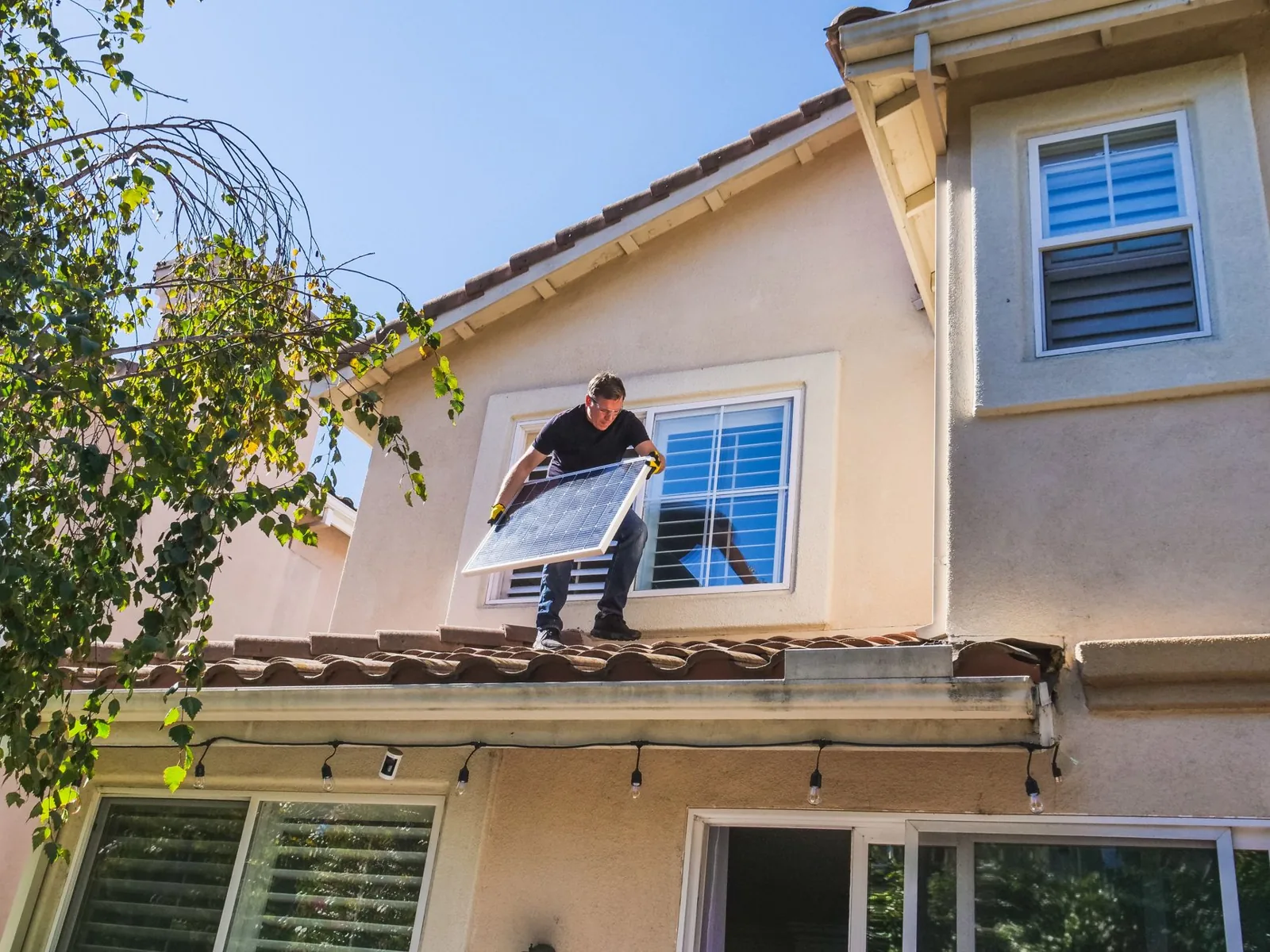
- Second-story or upper-floor windows need ladders, scaffolding, or a lift.
- Rotted framing or water damage found once the old window comes out adds carpentry time and materials.
- Brick, stucco, or stone exteriors take longer to flash and seal than vinyl or wood siding.
- Historic or non-standard openings require custom sizing instead of an off-the-shelf unit.
- Permit and code requirements in your city can add inspection fees and stronger glass mandates.
A good installer will walk the entire house before quoting, open a few windows, and point out any framing they will not know about until demo. If a salesperson quotes you a price over the phone without seeing the home, treat that number as a floor, not a ceiling.
Window Style Changes the Cost Fast
Not all windows are priced the same because they do not all cost the same to build or to set. Here is how the most common styles compare on an installed, per-window basis:
- Double-hung: $300–$850. The default choice for most homes; both sashes slide for easy cleaning.
- Casement: $400–$1,000. Crank-operated with a tight seal; excellent for ventilation and energy savings.
- Sliding: $350–$900. Affordable for wide openings, though the seal is slightly looser than casement.
- Picture or fixed: $250–$800. No moving parts, so cheaper to buy, though it provides no airflow.
- Bay or bow: $1,500–$4,500. A multi-window projection that often requires structural support and new roofing.
If you are replacing an entire wall of windows, mixing one or two picture windows with flanking casements keeps ventilation while holding down the average cost per opening.
Frame Material Is the Biggest Price Lever
The material the frame is made from matters more than almost anything else in the quote. It drives both the unit price and, in some cases, the labor.
- Vinyl: the cheapest and most common option. Good insulation, low maintenance, but limited color choices and a bulkier frame.
- Wood: the most expensive and the most beautiful. Needs painting or sealing every few years; a poor choice in wet climates unless clad.
- Fiberglass: the middle ground that behaves like a premium product. Strong, stable in temperature swings, and paintable.
- Aluminum: cheap thermal performance but cheap upfront cost; common in warmer climates and commercial builds.
- Composite: wood-waste and polymer blends that resist rot while looking closer to wood than vinyl does.
For a mid-2020s full-house replacement, expect rough material spreads roughly like this: vinyl at $150–$500 per unit, fiberglass at $400–$900, wood at $500–$1,200, and composite in the $300–$800 range. Labor pushes the final numbers higher, but the ranking holds.
Glass Packages and Energy Add-Ons
The base quote usually includes a standard double-pane, argon-filled, low-E glass package because that is now the minimum in many building codes. Everything above that is an upgrade you can decline:
- Triple-pane glass: adds $50–$150 per window but earns its keep in very cold or very noisy locations.
- Low-E coatings: often standard now, but a higher-performance coating can add $25–$75.
- Gas fill (argon vs. krypton): krypton adds cost and suits tight spaces or extreme cold.
- Impact-rated glass: required in hurricane zones and can add several hundred dollars per window.
- Custom grids, colors, or hardware: purely cosmetic upgrades that add $50–$150 per unit.
One upgrade worth considering in nearly every climate is a low-E argon package if it is not already included. The Department of Energy estimates that upgrading to ENERGY STAR certified windows can cut energy bills by an average of 12% nationwide — money that eventually pays for part of the install. Check ENERGY STAR’s official window guidance before you finalize a glass package.
How to Know If a Quote Is Fair
The fastest way to sanity-check a quote is to get three written estimates and compare them line by line, not by the bottom-line total. Look at the unit brand and model, the glass package, whether disposal is included, and the warranty length. A cheap quote that swaps in an off-brand unit and skips the permit is not actually cheap.
Here are the red flags that should make you pause:
- A price dramatically lower than the other two quotes, with no brand or model listed.
- High-pressure “today only” discounts of 40% or more.
- Financing pushed before you have asked about the product itself.
- A refusal to separate materials from labor costs in writing.
For a rough labor-only benchmark, most installers charge between $100 and $300 per window in labor depending on the region and the window style. If a quote comes back with labor well outside that band, ask the contractor to explain why.
DIY vs. Hiring a Pro
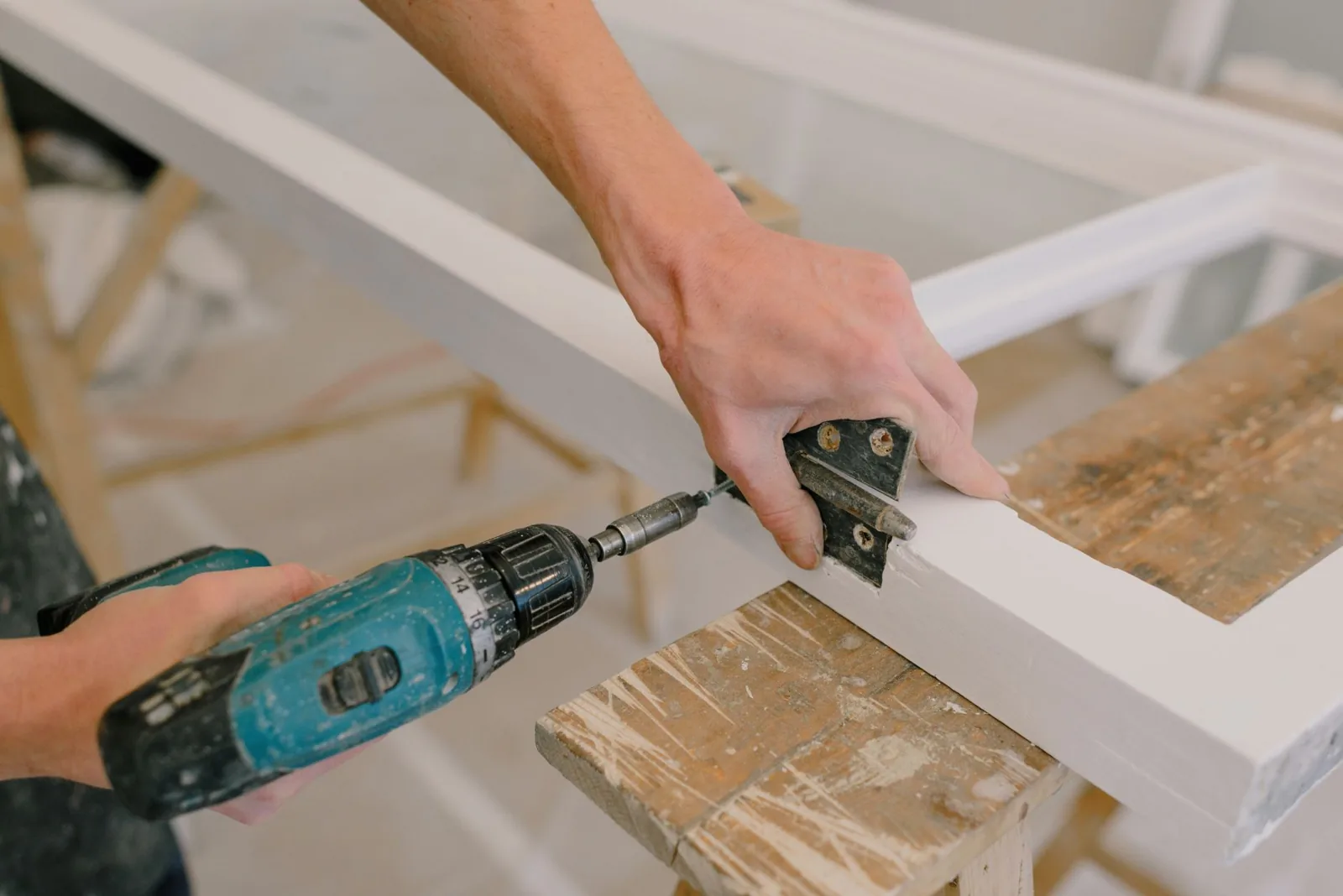
Replacing a window is one of those jobs that looks approachable and then is not. A homeowner with solid carpentry skills can save the labor cost — often $150 to $400 per window — on a simple, ground-floor, same-size vinyl replacement. A pocket or insert replacement that fits inside the existing frame is the most DIY-friendly path.
A full-frame replacement, where the entire window and frame come out, is a different animal. It involves flashing, insulation, exterior trim, and often siding repair. Get that wrong and you will be paying a pro double to fix a leak you introduced. Most manufacturers will also refuse to honor a warranty on a unit that was not installed by a licensed pro, which quietly erases much of the savings.
If you are weighing the overall budget, it helps to understand how much replacement windows usually cost as a full project, and to compare your quotes against the average window replacement cost in your region before you sign anything.
Frequently Asked Questions
How much should window installation cost per window?
Expect $300 to $1,200 per window installed for standard sizes. Vinyl double-hungs sit at the lower end around $300 to $850, while wood and fiberglass units run $600 to $1,700 each. Bay and bow windows cost far more.
Is it cheaper to install windows yourself?
You can save $150 to $400 per window in labor on simple, ground-level vinyl replacements. Full-frame replacements and upper-floor windows are best left to a licensed installer, since mistakes create leaks and often void the manufacturer’s warranty.
How much does labor cost to install a window?
Most installers charge $100 to $300 per window in labor, or roughly $40 to $60 per hour for a two-person crew. Upper-floor work, brick exteriors, and rotted framing push labor higher.
Do I really need three quotes for window installation?
Yes. Three written, line-item quotes let you compare brands, glass packages, labor, and warranties side by side. They are also your best defense against high-pressure sales tactics and inflated bottom lines.
What adds the most cost to a window installation?
Frame material and window style add the most, followed by glass upgrades and unexpected framing repair. Bay or bow windows, custom sizes, and premium fiberglass or wood frames are the fastest ways to push a quote past the average.
The Bottom Line
So, how much should window installation cost? A fair, realistic answer for most homes is $300 to $1,200 per window installed, with the total for a ten-window project typically running $7,000 to $15,000 depending on materials, style, and labor rates in your area. Vinyl keeps you at the low end; wood and fiberglass take you higher.
Collect three written quotes, insist on a model and glass package in writing, and separate labor from materials on every estimate. It is fine to pay more for a better window — just make sure you are paying for the window and the install itself, not for a slick sales pitch. For a closer look at regional pricing, start with the cost per window breakdown and then compare what companies charge per window so you walk into every showroom knowing exactly what a fair number looks like.