How Much Does a Roof Replacement Cost in 2025?
If you’re staring at a curling shingle or a water stain on the bedroom ceiling, the first question on your mind is a simple one: how much does a roof replacement cost? The honest answer is “it depends” — but not in a vague, unhelpful way. Most homeowners in the US pay between $8,900 and $18,000 for a full roof replacement in 2025, with a typical job landing around $11,500. The final number swings on five things: the size and pitch of your roof, the material you choose, your location, the condition of the existing decking, and the contractor you hire.
Replacing a roof is one of the biggest single expenses you’ll ever put into a house, second only to major projects like a kitchen remodel or a foundation repair. It’s also one of the few that genuinely pays you back. A new roof can return 60% or more of its cost at resale and helps keep your homeowners insurance happy in the process.
This guide breaks the numbers down so you know what to expect before you call for quotes — and so you can tell a fair bid from a ripoff.
What Affects the Cost of a Roof Replacement?
Roofing estimates look like random numbers until you understand what’s behind them. Here are the levers that move the price up or down.
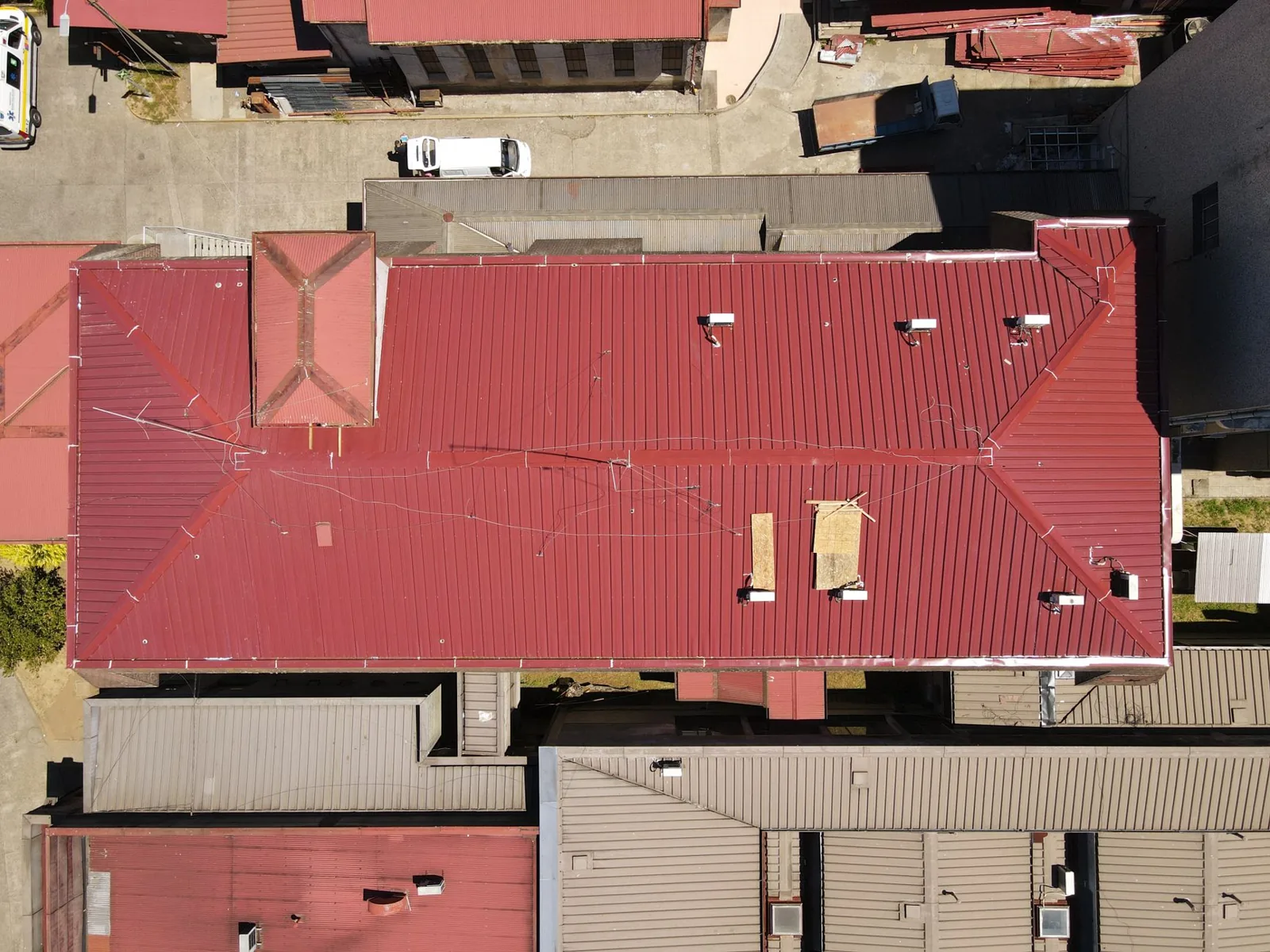
- Roof size. Bigger roof, more material and labor. Contractors price by the “square” — a 100-square-foot area. A 2,000-square-foot home typically has a 2,000–2,200-square-foot roof surface once you factor in slope and overhangs.
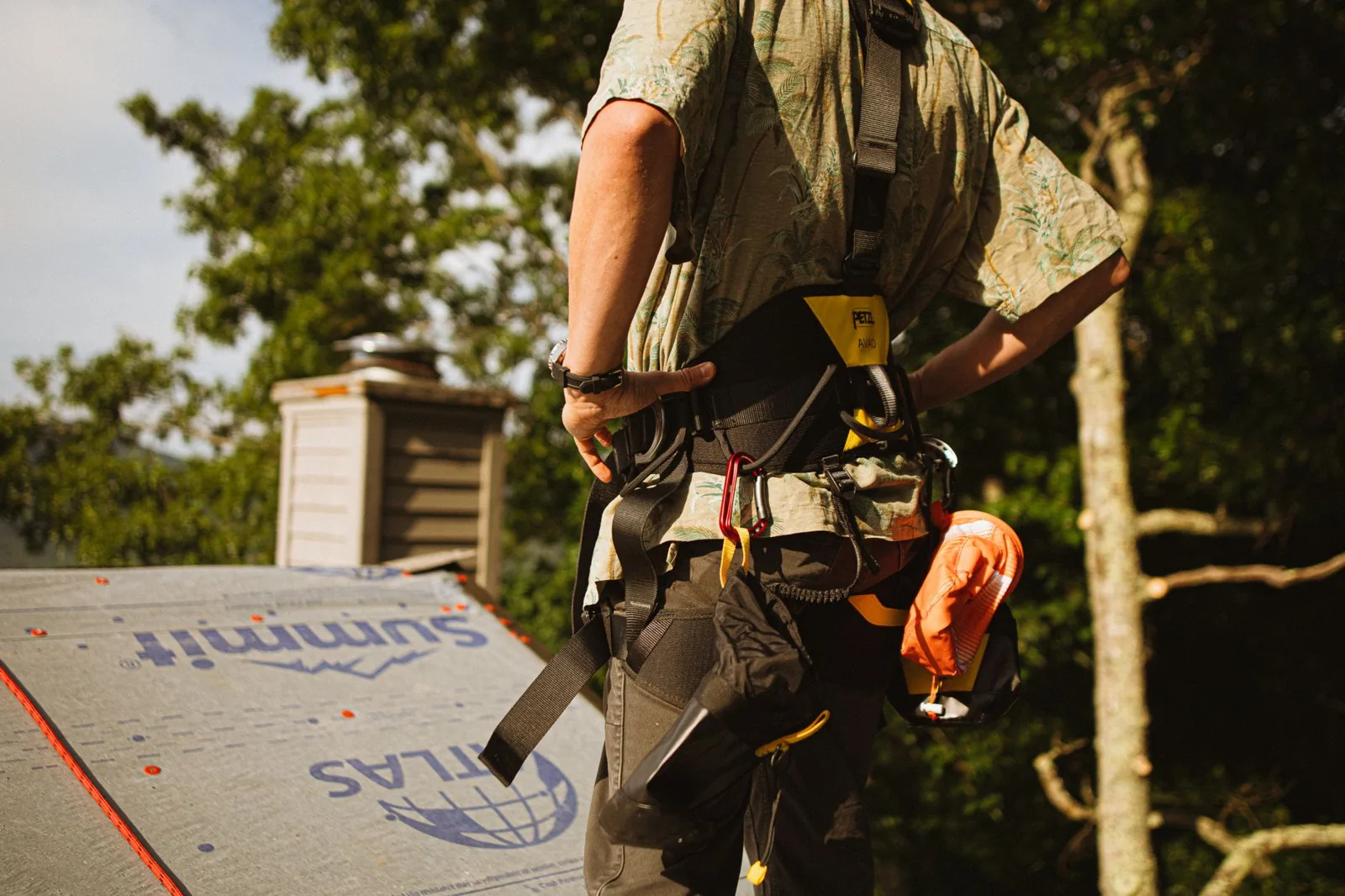
- Pitch and complexity. A steep 8/12 pitch or a roof full of valleys, dormers, and chimneys costs more per square. Steep roofs require harnesses, safety gear, and slower work.
- Material. Basic three-tab asphalt runs $1.50–$3.50 per square foot installed, while standing-seam metal can run $10–$16. Architectural shingles sit in the sweet spot between the two.
- Tear-off and disposal. Removing old shingles and hauling them away usually adds $1–$3 per square foot. Some roofs get a second layer laid on top to save money, but that’s increasingly discouraged by code and can hide damage.
- Decking and underlayment. If the plywood beneath the shingles is rotted, you’ll pay to replace it — often $2–$3 per square foot for the sections that fail.
Roof Replacement Cost by Material
The material you choose is the single biggest pricing lever. Here’s how the most common options stack up for a typical 2,000-square-foot home in 2025.
| Factor | Asphalt Shingles | Metal Roof | Tile or Slate |
|---|---|---|---|
| Material cost per sq ft | $1.50–$4.00 | $4.00–$16.00 | $6.00–$30.00 |
| Typical installed total | $8,900–$14,500 | $16,000–$32,000 | $20,000–$60,000+ |
| Lifespan | 20–30 years | 40–70 years | 50–100+ years |
| Weight on structure | Light | Light to moderate | Heavy — may need reinforcement |
Asphalt architectural shingles remain the default for most homeowners because they balance cost, looks, and lifespan. They’re what you’ll see on roughly 80% of American single-family homes and are the safest bet if you’re planning to sell within a decade.
Metal roofs cost more upfront but last twice as long and improve energy efficiency. If you know you’re staying in the home 20 years or more, the math often tips in metal’s favor.
Tile and slate are premium options with premium price tags. They’re beautiful and durable, but many homes aren’t framed to carry their weight without added structural work, which is a bill of its own.
How Roof Size and Labor Drive the Bill
Labor accounts for roughly 60% of a roof replacement — materials are only about 40%. That’s why two quotes with the “same” shingles can differ by thousands: you’re paying for the crew’s time, insurance, and equipment.
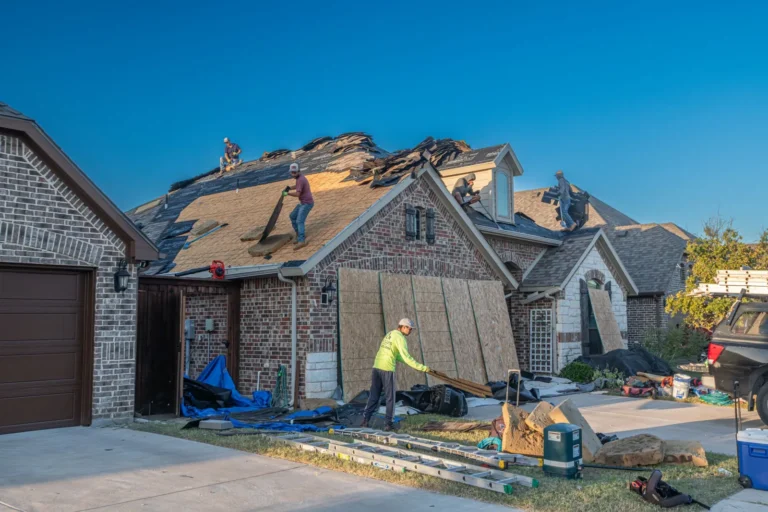
A simple, single-story ranch with a low pitch might take a competent crew two days. A steep, cut-up colonial with three dormers and a chimney could take a week or more. Every valley, skylight, and pipe flashing is a place for water to get in, which means it’s a place for the roofer to slow down and do careful work — and careful work costs money.
Square-footage pricing helps you sanity-check bids. A full tear-off and re-shingle on a straightforward asphalt roof typically runs $4.50–$7.00 per square foot all-in. On that math, a 2,000-square-foot roof lands between $9,000 and $14,000 before any surprise repairs.
Regional Differences in Roof Replacement Pricing
Where you live changes the number more than most people expect. Labor rates in coastal cities and high-cost states can run 40–50% higher than in the Midwest or South.
- Northeast and West Coast: Expect to pay on the high end. Higher wages, stricter building codes, and permit fees all stack up. A roof that costs $11,000 in Ohio might run $16,000 or more in suburban Seattle or Boston.
- South and Southwest: Lower labor costs and longer, drier roofing seasons keep prices moderate, though hail-prone states like Texas see demand spikes after storms.
- Material shipping: Slate from Vermont, tile from the Southwest, or specialty metal panels all carry freight costs that climb with distance.
- Local codes: Coastal and snow-belt regions often require impact-rated shingles or heavier underlayment, adding a few dollars per square.
Permits are easy to overlook. Most municipalities charge $100–$400 for a roofing permit, and some require an inspection after the work. A legitimate contractor will handle this for you and list it on the contract.
Signs You Need a Replacement (Not Just a Repair)
Not every roof problem means a full replacement. Patches and repairs are cheap compared to a new roof if the damage is limited. Here’s when a repair is enough — and when it isn’t.
Repair is usually fine when:
– A few shingles blew off in one storm, and the decking underneath is dry.
– Flashing around a single vent or pipe failed.
– The roof is under 15 years old and otherwise healthy.
Replacement is the smarter call when:
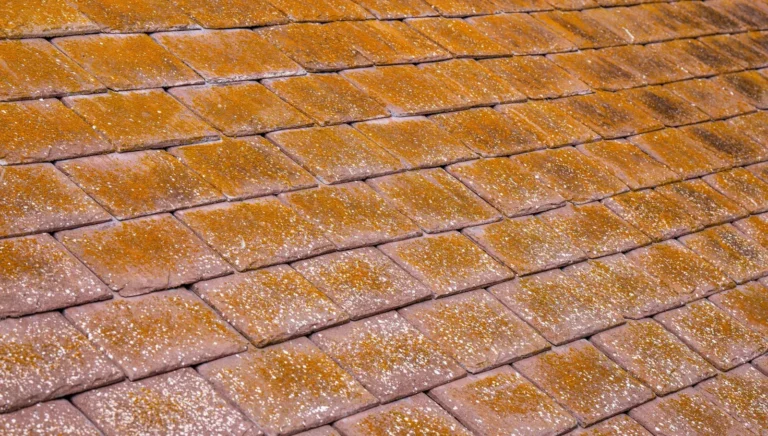
– Shingles are curling, cracking, or losing granules across large areas.
– You see daylight in the attic or find signs of recurring leaks in multiple rooms.
– The roof is 20 years old for asphalt (or 50+ for metal), and you’re planning to stay.
– Sagging sections suggest the decking itself is failing.
If you’re on the fence, a licensed inspector or a trusted roofer can tell you how much life is left. Many homeowners wait too long and pay for it later in the form of water damage, mold, and rotten framing — all far pricier than the roofing work itself.
How to Get an Accurate Roof Replacement Quote
Estimates are free most of the time, so get at least three. Here’s how to make them worth something.
- Ask for a line-item breakdown. You want to see labor, materials, tear-off, disposal, permits, and any decking repair separated, not lumped into one mystery number.
- Compare the same material. Make sure every quote specifies the exact shingle brand and line — GAF Timberline, Owens Corning Duration, and CertainTeed Landmark all have different price points.
- Check warranty terms. A solid roof comes with two warranties: a manufacturer warranty on materials and a workmanship warranty from the installer. Get both in writing.
- Verify license and insurance. Ask for the contractor’s license number and a certificate of insurance naming you. This is the single best defense against fly-by-night crews.
- Watch for the “storm chaser” play. After big storms, out-of-state crews flood in. They may lowball you, take a deposit, and disappear. Stick to established local companies with verifiable addresses and reviews.
Getting bids on the same scope is the only way to compare apples to apples. If one quote is dramatically lower than the other two, don’t celebrate — ask why. A deal that’s too good usually means skipped permits, subcontracted labor, or shingles that will fail years early.
Financing and Saving on a New Roof
A roof replacement is rarely a planned expense, which is why financing matters. Here are the most common ways people pay.
- Cash or savings: Best if you can manage it — no interest, no fees. Some contractors offer a 2–3% discount for cash.
- Roofing company financing: Many large installers offer 12–18 month no-interest plans. Read the fine print: if you don’t pay in full by the end of the term, deferred interest can be retroactively applied.
- Home equity loan or HELOC: Lower rates than most personal loans, and the interest may be tax-deductible if the roof qualifies as a capital improvement.
- Insurance claims: If a named storm or hail damaged the roof, your homeowners policy may cover it minus your deductible. File promptly and document everything with photos.
The most useful money-saver is timing. Roofers are busiest in late spring and summer, and in the weeks after major storms. Booking in late fall or early winter — when crews are hungry for work — can save 10–15% in many markets, though cold weather can limit material choices.
Frequently Asked Questions
How much does a roof replacement cost on average?
Most US homeowners pay between $8,900 and $18,000, with a national average around $11,500. The spread is driven mostly by material choice and roof size. For a deeper look at the numbers, see our guide on how much a roof replacement costs per square foot.
Is it cheaper to repair or replace a roof?
It depends on the damage. A $400 flashing repair beats a $12,000 replacement every time when the problem is isolated. But if the roof is old and failing in multiple places, repeated repairs become sunk money — you’re better off replacing it once and getting 25 years of peace.
Does a new roof increase home value?
Yes, usually. Real estate studies consistently rank roofing among the top projects for return on investment. A new asphalt roof recovers roughly 60% of its cost at resale, and it can make the difference between a buyer offering full price or walking away.
Can I replace my roof myself to save money?
You can, but it’s rarely worth it. Roofing is physically demanding, dangerous work done at height, and a DIY job won’t carry the manufacturer or workmanship warranties a licensed installer provides. Mistakes void warranties and can lead to leaks that cost far more to fix than you saved.
How long does a roof replacement take?
A straightforward asphalt roof on a typical home takes one to three days for a professional crew. Metal and tile jobs stretch to a week or more, as does any roof with steep pitches, dormers, or a full decking replacement.
The Bottom Line
So, how much does a roof replacement cost? For most homeowners, plan on $8,900 to $18,000, with material choice, roof size, and local labor rates doing most of the steering. Asphalt shingles are the affordable default, metal is the long-game upgrade, and tile or slate is for those who want a century roof and will pay for it.
The best thing you can do is get three line-item bids, compare the exact same material, and verify license and insurance before signing. A roof is the first line of defense for everything you own, and paying for quality now is almost always cheaper than paying for water damage later.
Ready to dig deeper into your specific situation? Start with our breakdown of how much a roof replacement should cost and our look at roof replacement costs for a 2,000-square-foot home. For regional figures, our guides on roof replacement costs in Texas and in California break down pricing where you live.
For more on roofing materials and owner guidance, see the HomeAdvisor roof replacement cost guide and This Old House’s tips on roof replacement.