
How Much Roof Replacement Cost: A Homeowner’s 2026 Price Guide
How much roof replacement cost should you budget for? For most single-family homes in the United States, a full tear-off and asphalt shingle replacement runs between $8,000 and $15,000, with a national average around $11,500. If you are replacing a roof for the first time, that number can feel like sticker shock. The good news is that it is one of the most predictable home-improvement expenses once you know what actually drives the price.
Most homeowners get three to five quotes and find the bids spread out by several thousand dollars. Some of that gap is real differences in materials and work quality; some of it is simply how busy a contractor is that month. The figures below break down where the money goes so you can compare quotes line by line instead of guessing.
What Determines Roof Replacement Cost
Roof Size and Square Footage
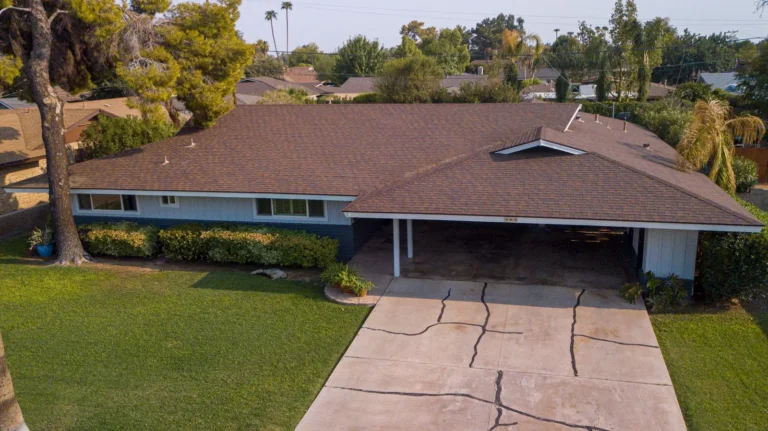
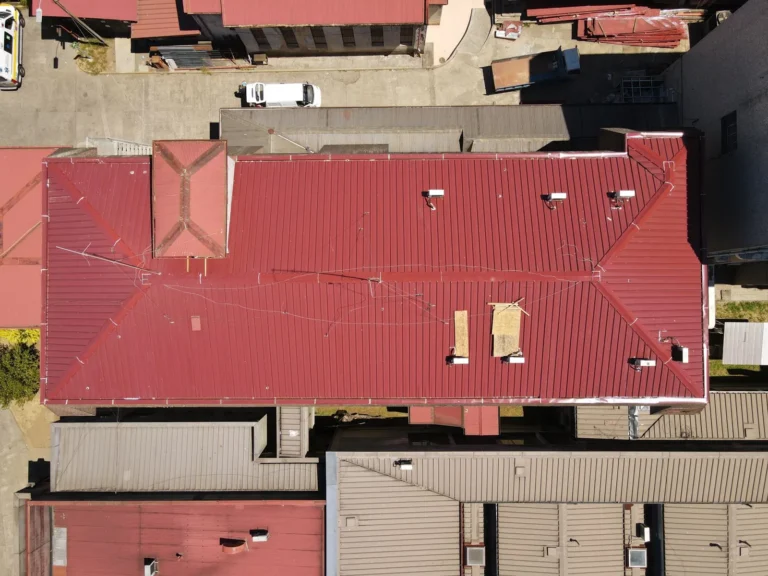
Roofing contractors price most work in “squares” — one square equals 100 square feet of roof surface, not of floor space. A 1,500-square-foot ranch often has 1,500 to 1,800 square feet of roof, while a two-story colonial with steep pitches can carry 2,500 or more square feet of roof on the same footprint.
Bigger roof, bigger bill. But the relationship is not perfectly linear, because every roof has a fixed cost for setup, dump fees, and permits regardless of size.
Material Choice
The material you pick swings the total more than any other single factor. Here is how the common options compare in typical installed cost per square foot:
| Material | Installed Cost (per sq ft) | Lifespan | Best For |
|---|---|---|---|
| 3-tab asphalt shingles | $2.50–$4.00 | 15–25 years | Budget flips and rentals |
| Architectural asphalt shingles | $4.00–$7.00 | 25–35 years | Most single-family homes |
| Standing-seam metal | $9.00–$16.00 | 40–70 years | Long-term owners, harsh climates |
| Clay/concrete tile | $8.00–$18.00 | 50–100 years | Spanish-style and Southwest homes |
| Slate | $12.00–$30.00 | 75–150 years | Historic and high-end homes |
Architectural (also called dimensional) shingles now dominate the market because they cost only modestly more than 3-tab shingles while looking better and lasting longer.
Roof Pitch and Complexity
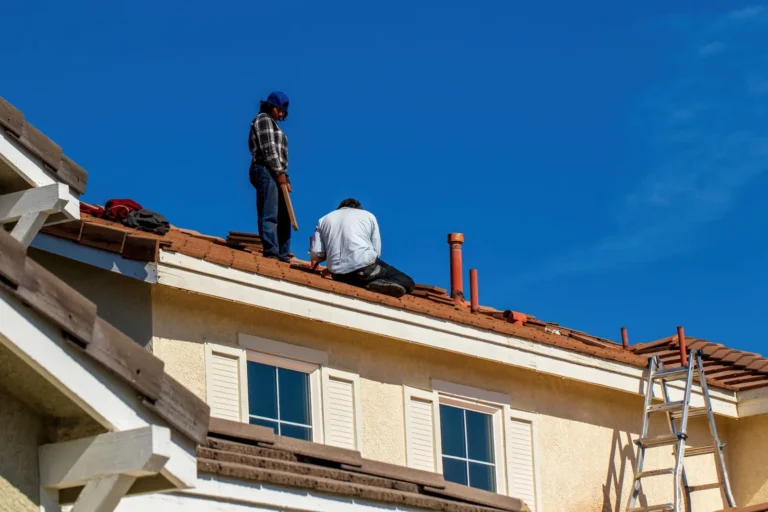
A low-slope roof a crew can walk easily is cheap to install. A steep roof with a 12/12 pitch requires harnesses, staging, and slower work, which raises labor. Add dormers, valleys, skylights, chimneys, and curbs and the cut-up detail work multiplies. Each penetration needs custom flashing, and each valley is a leak risk that has to be built carefully.
Tear-Off Versus Re-Roof
A single existing layer of shingles can sometimes be roofed over, which saves the cost of removal. But most codes allow only two layers total, and building over old shingles hides deck rot and shortens the life of the new roof. Expect a full tear-off on most jobs: disposal fees alone typically run $500 to $1,200 depending on dump rates in your area.

Average Roof Replacement Cost by Material
To give you working numbers, here is what a typical 2,000-square-foot roof replacement costs in 2026 by material, including labor, tear-off, and disposal:
- 3-tab asphalt: $5,000–$8,000
- Architectural asphalt: $8,000–$14,000
- Standing-seam metal: $18,000–$32,000
- Clay/concrete tile: $16,000–$36,000
- Slate: $24,000–$60,000
These are all-in ranges for a straightforward roof. Complex roofs with high pitch and many valleys can land 20% to 40% above the top of these bands.
Labor Versus Materials: Where the Money Goes
Roof replacement is a labor-heavy job. On a typical asphalt shingle roof, roughly 40% to 50% of the quote is materials, and the rest is labor, insurance, and overhead. Shingles for an average home cost $1,500 to $3,500 on their own, but you also pay for:
- Synthetic underlayment and ice-and-water shield
- Drip edge, flashing, and ridge vents
- Nails, sealants, and starter strips
- Delivery fees and dumpster rental
Labor rates vary by region. Crews in the Northeast, Pacific Northwest, and California routinely charge more than crews in the South or Midwest. That regional spread is why a single average number can mislead — the same roof can cost $9,000 in Ohio and $16,000 in coastal California.
Additional Costs That Catch Homeowners Off Guard
The base quote rarely covers everything. Ask your contractor up front about these items so the final invoice does not surprise you:
- Rotted decking: Contractors price a small allowance for replacement of damaged sheathing, then bill per sheet beyond that. Expect $60 to $90 per 4×8 sheet.
- Permits: Most municipalities charge $100 to $500 for a reroofing permit.
- Skylight or chimney flashing: Reworking these adds $200 to $600 each.
- Gutters: If you are replacing the roof, it is often the right time to replace gutters too, at $4 to $9 per linear foot.
- Season: Late summer and fall are peak roofing season. Scheduling in late winter or early spring can save 5% to 10%.

How to Estimate Your Own Roof Replacement Cost
A rough estimate is easy to work out. Take your home’s square footage, add about 15% to account for pitch and overhangs, then multiply by the installed cost per square foot of your chosen material.
For example, a 2,200-square-foot home with a moderate pitch might have roughly 2,500 square feet of roof. At $5.50 per square foot for architectural shingles, that comes to about $13,750 — right in line with a mid-range quote.
If you want a more precise number, dig into our guide on how much roof replacement cost per square foot, which walks through the math step by step.
How to Keep Roof Replacement Cost Down
None of these moves sacrifice quality, and together they can shave thousands off the job:
- Get three or more bids. The spread between the highest and lowest legitimate quote is often 30% or more.
- Replace in the off-season. Contractors discount when their crews have open weeks.
- Bundle work. Replacing gutters or adding insulation at the same time saves a second mobilization.
- Check material warranties. A 50-year shingle warranty is worthless if the installer offers no labor warranty; a 10-year workmanship warranty from a local roofer often beats a longer material-only one.
- Ask about financing. Many established roofers offer 12-month same-as-cash or low-APR plans, which matters if you are replacing a roof on short notice.
How Much Should a Roof Replacement Cost in Your Area?
Regional labor and code differences are real, and dumping everything into one national average hides them. If you want a number that reflects your zip code rather than the country as a whole, read our breakdown of how much should a roof replacement cost for a region-by-region look at what homeowners actually pay.
How to Choose a Roofing Contractor
The lowest bid is rarely the best buy. When you compare quotes, look for:
- Proof of license, insurance, and workers’ compensation
- A written, itemized estimate — not a number on a napkin
- A tear-off and decking allowance spelled out in the contract
- Manufacturer certification (for example, GAF Master Elite or Owens Corning Preferred)
- Local references with roofs at least five years old so you can see how they hold up
A reputable contractor will also pull the permit and handle the inspections rather than asking you to do it. Walk away from anyone who suggests skipping permits to save money.
Does a New Roof Pay for Itself?
A roof replacement recovers a big share of its cost at resale. Real estate data consistently shows a new asphalt shingle roof returning 60% to 70% of its cost in added home value, and it removes a common deal-killer during the buyer’s inspection. For homeowners planning to sell within a few years, a mid-range architectural shingle roof is usually the right financial call.
Metal and tile roofs return value differently: they cost more up front but can outlast two or three asphalt roofs, which makes them worth considering if you plan to stay put for decades.
Frequently Asked Questions
How much roof replacement cost for a 2,000 square foot house?
A 2,000-square-foot house typically needs 2,200 to 2,800 square feet of roofing depending on pitch. With architectural shingles, expect $8,000 to $14,000 all-in; with metal, plan on $18,000 to $32,000.
Can I put a new roof over old shingles?
Sometimes, if there is only one existing layer and it is structurally sound. Most building codes cap roofs at two layers, and overlaying hides deck rot and shortens the new roof’s life, so a full tear-off is usually the better choice.
How long does a roof replacement take?
A typical asphalt shingle roof takes one to three days for a professional crew. Metal, tile, and slate take longer, and complex roofs with steep pitches can stretch the job to a week or more.
When is the best time to replace a roof?
Late winter and early spring usually bring the best prices, since crews are less booked. Fall is the most popular season and the most expensive. Avoid the peak of summer and the dead of winter when extreme heat or cold makes installation harder.
Should I replace my roof before selling my home?
Often yes, if the roof is near the end of its life. A failing roof scares off buyers and gives them edge in negotiation. A new roof can return 60% to 70% of its cost in a faster, higher sale. For a deeper look at what buyers expect, see how much does a roof replacement cost.
The Bottom Line
How much roof replacement cost you pay comes down to three things you control — size, material, and timing — and a few you do not, like local labor rates and your roof’s pitch. For most homeowners, a quality architectural shingle roof with a full tear-off lands between $8,000 and $15,000, and it is money well spent given how much damage a failed roof can do.
Get several itemized bids, compare them line by line, and do not let the lowest number alone make the decision. A roof you replace once, properly, is cheaper than one you patch twice. If you are ready to start gathering quotes, a good next step is reading more about the upstream options in our guide to how much roof replacement cost per square foot and discussing the numbers with at least three local contractors.
For more detailed pricing data, check the latest cost guides from HomeAdvisor and This Old House, which both update their roofing figures regularly.