How Much Is an Average Solar Panel Cost? A 2026 Price Breakdown
If you are pricing out solar for the first time, the question on your mind is probably the simplest one: how much is an average solar panel cost? The short answer is that a single residential panel (around 400 watts) sells for roughly $200 to $400 for the hardware alone, while the national average for a fully installed system sits around $2.50 to $3.50 per watt before incentives. That means a typical 6 kW system lands somewhere between $15,000 and $21,000 before the federal tax credit.
Those figures matter, but they only tell part of the story. The price you actually pay depends on the panel type, the wattage, the brand, where you live, and how your roof is built. Below, we break down what a solar panel really costs — per watt, per panel, and as a complete installed system — so you can compare quotes with confidence instead of guessing.
How Much Is an Average Solar Panel Cost per Watt?
Most of the solar industry prices a system by the watt, not by the panel. That is the number you’ll see on nearly every installer quote. In 2026, the US average for a residential system is roughly $2.50 to $3.50 per watt before applying incentives, with most bids clustering around the $2.85 to $3.00 per watt mark.
Here’s what that per-watt figure translates to in real money:
- A 4 kW system (about 10 panels): $10,000 to $14,000
- A 6 kW system (about 15 panels): $15,000 to $21,000
- An 8 kW system (about 20 panels): $20,000 to $28,000
- A 10 kW system (about 25 panels): $25,000 to $35,000
Why the wide range? The per-watt price folds in far more than the panel itself — the inverter, racking, wiring, permits, engineering, and labor for a crew that spends one to three days on your roof. Panels are only about 15% to 25% of a typical installation’s total cost. That is the key reason two homes with the same panels can get very different quotes: the roof, the electrical panel, and the local labor market drive most of the variance.
For a closer look at what goes into that total, see our guide on solar panel cost and installation cost.
Per-Panel Prices by Type
When people ask how much is an average solar panel cost, they are usually thinking about a single physical panel. Modern residential panels are almost all monocrystalline, which offer the best efficiency for the roof space available. You can still find cheaper polycrystalline and thin-film options, though each has trade-offs.
| Factor | Monocrystalline | Polycrystalline | Thin-Film |
|---|---|---|---|
| Typical cost per panel (400W) | $200 – $400 | $150 – $250 | $100 – $250 |
| Cost per watt (panel only) | $0.50 – $1.00 | $0.35 – $0.60 | $0.40 – $0.90 |
| Efficiency | 20% – 23% | 15% – 17% | 10% – 13% |
| Lifespan | 25 – 30 years | 25 – 30 years | 10 – 20 years |
| Best for | Most homes, limited roof space | Budget builds, large roofs | Non-standard or flat surfaces |
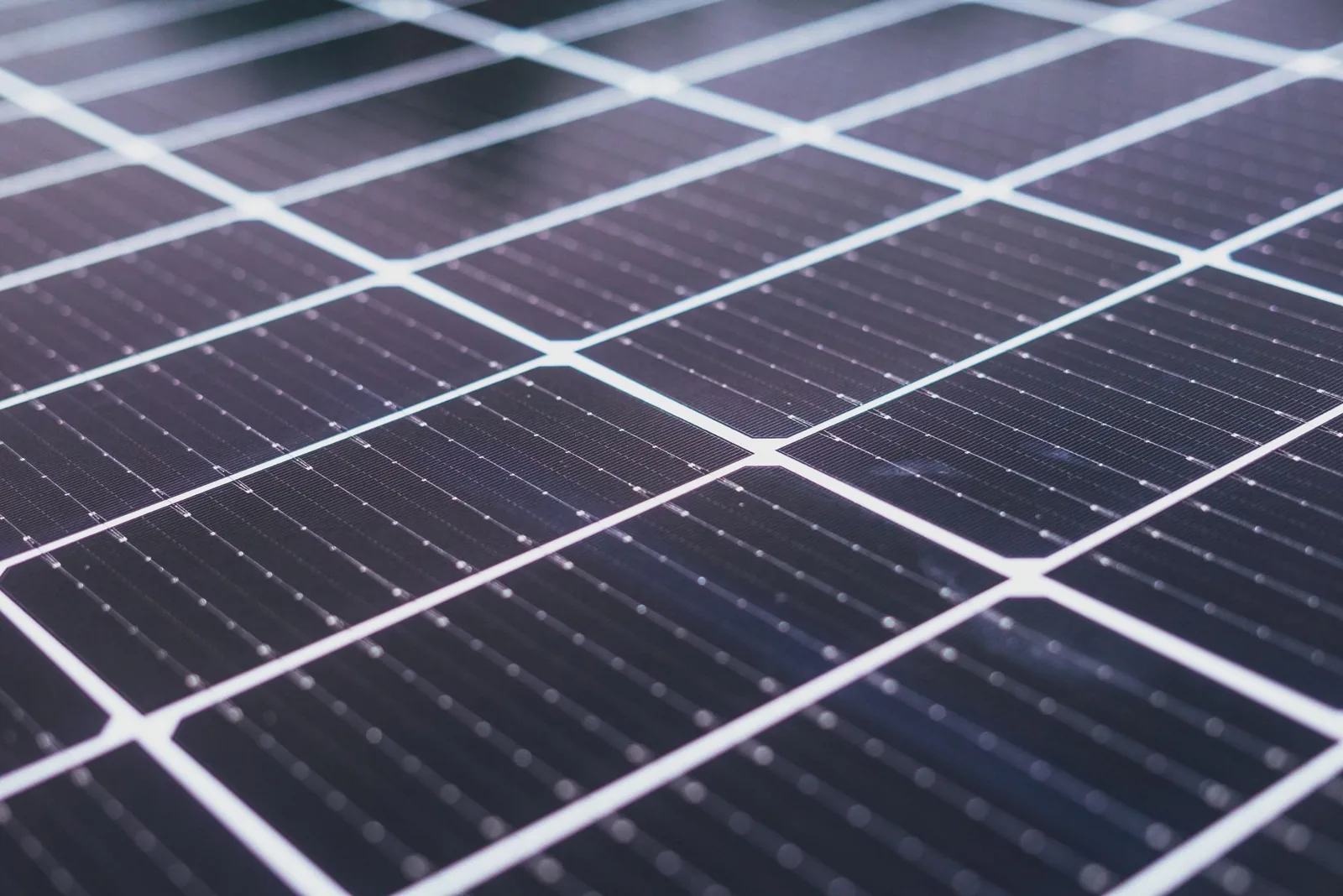
Monocrystalline panels dominate because they squeeze more power out of each square foot. A 400-watt mono panel from a mainstream brand like Qcells, Canadian Solar, or REC usually runs $250 to $350. Premium builders such as Maxeon (formerly SunPower) can push past $400 per panel, while budget mono panels from Trina, JA Solar, or LONGi often land closer to $200 to $250.
What Affects the Price of a Single Panel
Not all 400-watt panels cost the same, even when two products look identical on paper. Here are the main factors that move the price tag:
- Wattage. Panels have climbed from 350W to 400W, 420W, and now 450W or more. Higher wattage costs more per panel but less per watt, and you need fewer of them.
- Efficiency rating. A 22% efficient panel costs more than an 18% panel of the same wattage, but it generates more power from the same roof area.
- Brand and warranty. Companies like REC and Maxeon charge a premium for stronger degradation guarantees and longer equipment warranties, sometimes 25 to 30 years.
- Temperature coefficient. Panels lose output as they heat up. A lower coefficient (closer to zero percent per degree Celsius) means better hot-weather performance — and a higher price.
- Bifacial design. Panels that capture light on the back side can add 5% to 15% more output. They cost more and are usually reserved for ground mounts or carports.
If you want a sense of what a mainstream panel should cost before you talk to an installer, head over to how much does a typical solar panel cost for a plain-English rundown.
Full-System Costs: What a Panel Costs Installed
The honest answer to “how much is an average solar panel cost” is that almost nobody installs a single panel by itself — and the installed price is the number that matters. Here is how a 6 kW system (15 panels at 400W each) typically breaks down:
- Solar panels (15 × 400W): $3,000 to $6,000
- Inverter: $1,500 to $3,500 (string) or $2,500 to $5,000 (microinverters)
- Racking and mounting: $1,000 to $2,000
- Electrical work and upgrades: $1,000 to $3,000
- Permits, engineering, and design: $1,000 to $2,000
- Labor: $3,000 to $6,000
Add it up and a 6 kW array lands between roughly $11,000 and $20,000, with most homeowners paying $15,000 to $18,000 before incentives. After the 30% federal solar tax credit, that same system drops to about $10,500 to $12,600.
That credit — formally the Residential Clean Energy Credit — is worth 30% of your total system cost and currently runs through 2032. It is the single biggest lever you have on price, and it applies to the whole system, not just the panels. For the details on how much you can claim back, read how much is the solar rebate.
How to Lower What You Pay
You don’t have to accept the first number on a quote. A few practical steps regularly cut thousands off a solar bill:
- Get three or more bids. Installer pricing in the same city can differ by 30% or more for the identical equipment.
- Compare cost per watt, not total price. Divide the quote by the system size in watts. If one bid is under $2.50 per watt and another is over $3.50, ask why.
- Watch the financing markup. Cash prices are almost always lower. “No money down” loans often bake in dealer fees of 15% to 30%.
- Claim the federal credit. Thirty percent back on the full system cost is the easiest savings available to every US homeowner.
- Check state and utility programs. Many states add rebates or performance-based incentives on top of the federal credit.
- Size it to your actual usage. A system that matches your last 12 months of electricity usage costs less and pays for itself faster than an oversized one.
Frequently Asked Questions
How much does one solar panel cost in 2026?
A single residential panel of 400 watts sells for roughly $200 to $400 for the hardware alone. Budget monocrystalline models start around $200, mainstream brands run $250 to $350, and premium panels can exceed $400.
How much is an average solar panel cost per watt installed?
The US average for a fully installed residential system is about $2.50 to $3.50 per watt before incentives. After the 30% federal tax credit, that works out to roughly $1.75 to $2.45 per watt.
Are solar panels cheaper than they used to be?
Yes. Solar panel prices have fallen by more than 90% since 2010, dropping from around $2.50 per watt for hardware alone to well under $1.00 per watt today. Most of your installation budget now goes to labor, inverters, and soft costs rather than the panels themselves.
How many panels does the average home need?
A typical US home with average electricity use needs between 15 and 20 panels. That assumes 400-watt panels and a 6 kW to 8 kW system, though the exact number depends on your roof’s sun exposure, shading, and your household’s usage.
Does a solar panel pay for itself?
For most homeowners, yes. A 6 kW system that costs $15,000 before incentives typically offsets $1,200 to $2,000 in electricity each year and pays back its net cost in roughly 6 to 10 years, against a panel lifespan of 25 to 30 years.
The Bottom Line
How much is an average solar panel cost? For the panel itself, budget $200 to $400; for a complete installed system, expect $2.50 to $3.50 per watt, or about $15,000 to $21,000 for a typical 6 kW array before the 30% federal tax credit. Panels are also cheaper than they have ever been, which means your money now goes mainly toward installation quality rather than hardware.
The best way to nail down your real cost is to collect three quotes, compare them on a cost-per-watt basis, and check the financing terms as carefully as the panel brand. You can dig into the numbers further with the Department of Energy’s Homeowner’s Guide to Going Solar and Angi’s breakdown of how much solar panels cost. Once you know your price range, a 25-year asset like solar becomes a straightforward math problem — and usually a good one.