How Much Does a Typical Solar Panel Cost? (2025 Price Guide)
If you are pricing out solar and keep landing on the same question — how much does a typical solar panel cost — the honest answer is that it depends, but most homeowners should expect to pay between $200 and $400 for a single residential panel bought on its own. That is the number most people run into when they shop panels a la carte, and it is a useful anchor before you start comparing quotes for a full rooftop array.
Panel prices climb with wattage, efficiency, and brand reputation, and they fall when you buy in bulk. A high-efficiency 400-watt monocrystalline panel from a premium manufacturer can run $350 to $500 or more, while a budget 320-watt panel might sell for $150 to $250. The catch is that the panel itself is only one line item. Once you add the inverter, racking, wiring, permits, and labor, the real installed cost per panel lands somewhere around $700 to $1,200.
This guide breaks down exactly what a panel costs, why the number moves, and how that per-panel figure turns into the total price you will actually see on an installer’s proposal.
How Much Does a Typical Solar Panel Cost? The Short Answer
At retail, a typical residential solar panel costs $200 to $400 for a standard 350- to 450-watt module. That range covers most of what sits on American roofs today. Here is how the price lines up against the panel itself:
- Budget panels (250–350 watts): $150 to $250 each. Older polycrystalline designs, smaller residential modules, and lesser-known brands live here.
- Mid-range panels (350–400 watts): $250 to $350 each. This is the sweet spot that most installers quote, usually a name-brand monocrystalline module.
- Premium high-wattage panels (400–460 watts): $350 to $500 or more each. Higher efficiency, better temperature performance, and longer warranties drive the premium.
It is worth being specific about what “cost” means, because vendors use the word loosely. A panel’s list price is rarely what you pay. Distributors, installers, and direct-to-consumer retailers all price panels differently, and the price per panel drops noticeably when you buy a pallet of 20 or more instead of a single unit.
Solar Panel Cost by Type (Polycrystalline vs. Monocrystalline vs. Thin-Film)
The biggest split in panel pricing comes down to the cell technology inside the glass. Understanding this is the fastest way to tell whether a quote is high, low, or right on target.
| Factor | Monocrystalline | Polycrystalline | Thin-Film |
|---|---|---|---|
| Typical cost per panel | $250–$500 | $150–$300 | $100–$250 (per 100W-equivalent) |
| Efficiency | 18–23% | 15–18% | 10–13% |
| Power per panel | 350–460 W | 250–350 W | 100–200 W typical |
| Best for | Limited roof space, max output | Budget builds, large roofs | Portable, RV, large commercial roofs |
| Lifespan / warranty | 25–30 years | 20–25 years | 10–20 years |
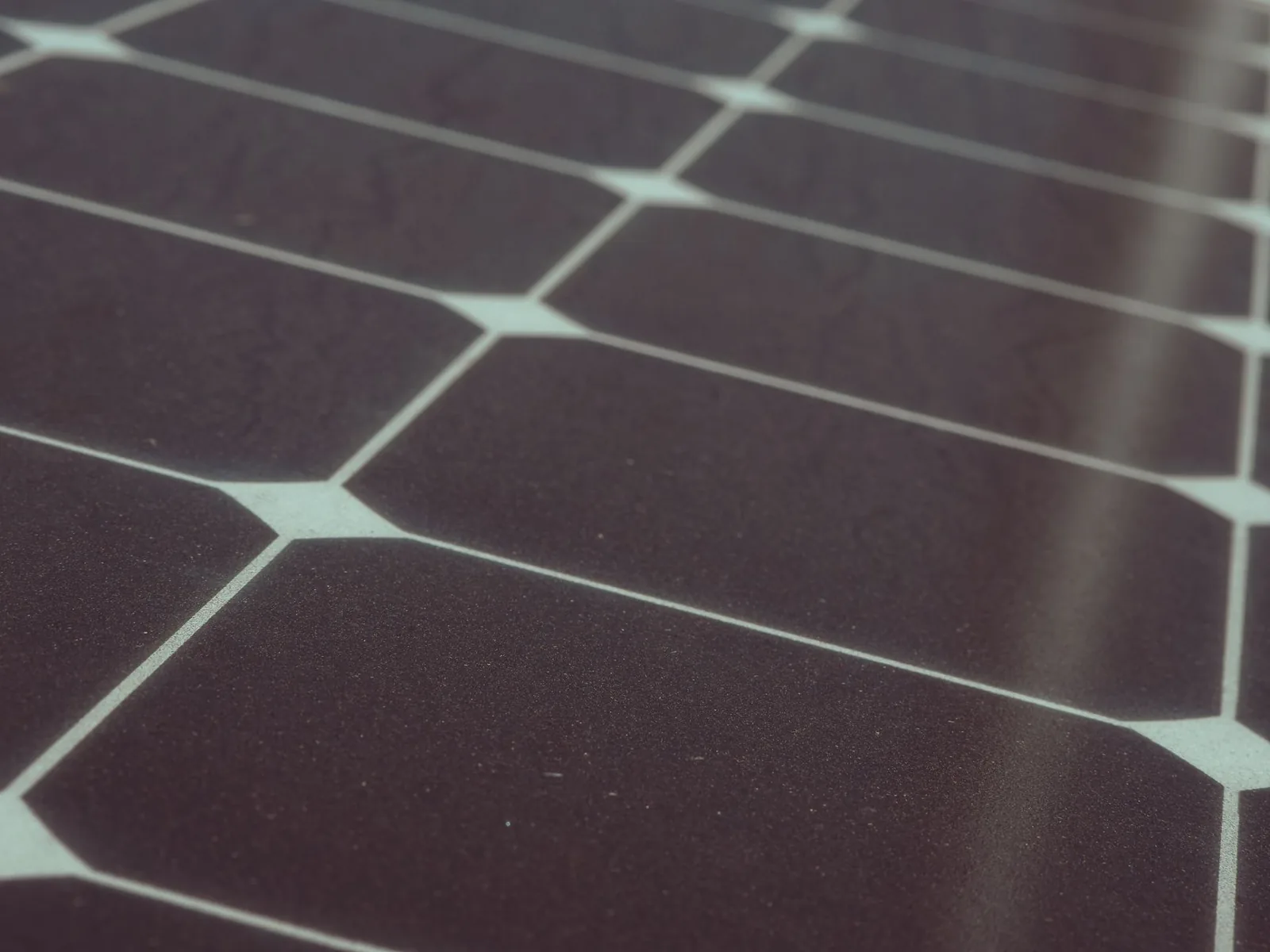
Monocrystalline panels are the default for modern residential installs. They cost more up front but squeeze more power out of the same square footage, which matters when roof space is tight. Most Tier-1 brands — Qcells, REC, Panasonic, Maxeon (formerly SunPower), Canadian Solar — all lead with mono designs.
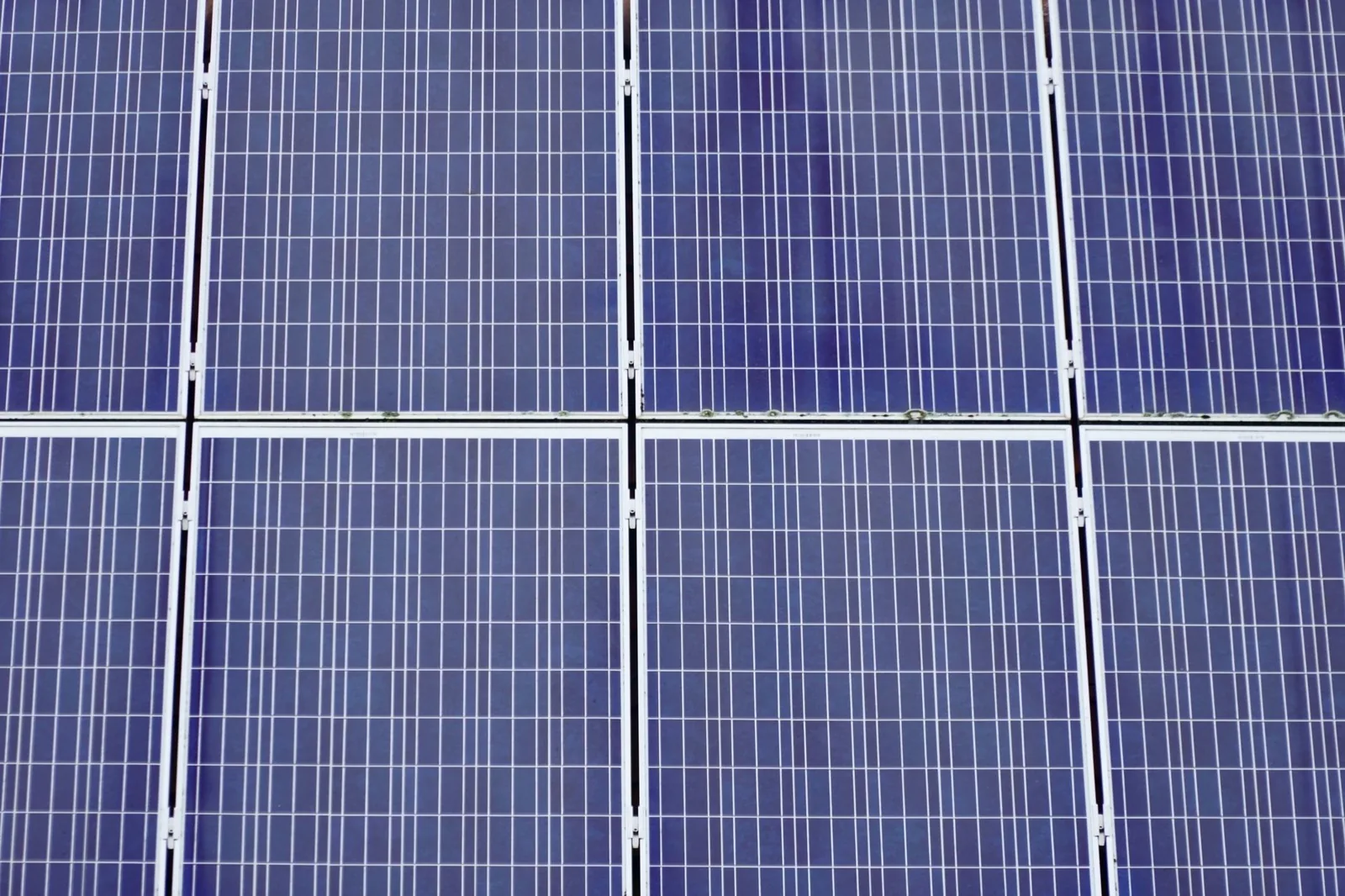
Polycrystalline panels are the older, bluer, slightly cheaper option. They have largely faded from the residential market as mono prices dropped, but you still see them on budget and DIY projects.
Thin-film panels are a different animal entirely. They are light, flexible, and cheap per panel, but they produce far less power per square foot, so they rarely make sense on a house roof. They shine on RVs, boats, and huge flat commercial surfaces.
For a deep explore how the panel price translates into a finished roof, see our guide to solar panel cost and installation cost.
Cost by Watt and by Brand
The most useful way to compare panels is dollars per watt ($/W), not dollars per panel. A $400 panel that produces 450 watts is actually a better deal than a $250 panel that produces 320 watts, because you are buying more generating capacity for less money per unit.
Here is roughly where per-watt pricing lands for standalone modules:
- Budget / polycrystalline: $0.45 to $0.70 per watt
- Mid-range monocrystalline: $0.70 to $0.90 per watt
- Premium / high-efficiency: $0.95 to $1.30 per watt
Brand matters too, and you pay a real premium for it. As of 2025, a 425-watt Qcells panel often lands around $350 to $400, a comparable REC Alpha Pure module can push toward $450, and a Maxeon or SunPower panel historically commanded $450 to $550 because of its high efficiency and 40-year warranty. The return on that premium is usually a stronger efficiency rating, better degradation guarantees, and a longer product warranty — not more watts on a spec sheet.
For most homeowners, a mid-range Tier-1 monocrystalline panel is the value play. It is cheaper than the flagship models but still backed by a 25-year output warranty and a real manufacturer.
How Panel Cost Fits Into Your Total System Price
A typical panel’s $200 to $400 price tag is only about a quarter to a third of what you actually pay to generate solar from it. When you buy a full system, you are also paying for:
- Inverter: $1,000 to $2,500, or roughly $1,000 to $1,500 for microinverters across a mid-size array
- Racking and mounting hardware: $500 to $2,000 depending on roof type and pitch
- Permits, engineering, and inspection: $500 to $1,500
- Electrical work and wiring: $500 to $1,500
- Labor: $0.50 to $1.50 per watt, or $3,000 to $10,000 per install
Added up, the national average installed cost of a residential system runs about $2.50 to $3.50 per watt before incentives. For a typical 7-kilowatt system — roughly 17 to 20 panels — that means a total price of $17,500 to $24,500 before the federal tax credit, and roughly $12,000 to $17,000 after it. The U.S. Department of Energy publishes current per-watt benchmarks and incentive details that are worth checking before you commit to a quote. If you want a fuller breakdown of the all-in figure, our explainer on how much an average solar panel costs walks through the math.
The key takeaway: a “$300 panel” is not a $3,000 system breakthrough. The panel is the commodity; the labor, inverter, and roof work are where the money really goes.
What Actually Drives the Price of a Panel
If two panels look identical but are priced $150 apart, one of these factors is usually doing the work:
- Wattage. More watts means more silicon, more busbars, and a higher price. A 460-watt panel costs more than a 350-watt one, full stop.
- Efficiency rating. Panels that convert more sunlight into electricity use more refined cells and cost more per watt to produce.
- Temperature coefficient. A lower coefficient means the panel loses less output in heat — a real advantage in hot climates like Arizona or Texas, and part of what separates premium brands.
- Warranty. Premium panels carry 25- to 40-year product warranties; budget panels often top out at 10 to 12 years on the product itself.
- Brand and Tier. Tier-1 manufacturers with bankable balance sheets and long track records charge more, and lenders and installers prefer them for a reason.
- Supply chain and tariffs. Import tariffs and logistics swings move panel prices by 10 to 20 percent year to year.
None of these are reasons to overpay, but they are reasons a bare-bones quote can be misleadingly cheap. A panel with a short warranty and unknown brand could be a bargain on paper and a headache in year nine.
Buying a Single Panel vs. a Full Array
How much a typical solar panel costs also depends on how you are buying it. There are really three buying scenarios, each with its own price reality:
- Single panel replacement. Expect to pay the retail price plus shipping — often $300 to $500 for the panel alone, and more if you need an installer to swap it onto your roof.
- DIY or partial kit. Retailers like Renogy, Eco-Worthy, and even big-box stores sell panels for $0.70 to $1.10 per watt. Cheap per panel, but you absorb all the design, permitting, and electrical risk.
- Full turnkey install. You pay $2.50 to $3.50 per watt installed, but the panel cost is bundled and discounted through the installer’s volume pricing.
If your goal is a working grid-tied system on the fastest timeline, a turnkey quote is almost always the better math once labor and permitting are counted. The panel price alone is a trap if it is the only number you compare.
Frequently Asked Questions
How much does a typical solar panel cost in 2025?
Most residential panels cost between $200 and $400 individually, with premium high-wattage models running $350 to $500 or more. Installed, the per-panel cost rises to roughly $700 to $1,200 once inverters, racking, and labor are included.
Is the solar panel itself the biggest cost of going solar?
No. Panels typically make up only 25 to 35 percent of the total system price. The inverter, racking, electrical work, permits, and installation labor are usually the larger share of the bill.
How many panels do I need for a typical home?
A typical 2,000-square-foot home uses about 17 to 20 panels for a 7-kilowatt system, though the exact number depends on your electricity use, roof orientation, and panel wattage.
Do rebates and tax credits lower the cost of panels?
Yes. The federal solar tax credit lets you deduct 30 percent of your total system cost, and many states and utilities add rebates on top. See how much the solar rebate is for state and federal figures.
Are cheaper panels a bad investment?
Not always, but budget panels usually trade away warranty length and long-term output. A $200 panel with a 10-year warranty can end up more expensive per year of useful life than a $400 panel warrantied for 40 years.
The Bottom Line
How much does a typical solar panel cost? Between $200 and $400 for the panel itself, with installed costs running $700 to $1,200 per panel once everything else is added. The number that actually matters is the installed cost per watt — around $2.50 to $3.50 before incentives — because that is the figure that determines your payback period and your monthly savings.
When you shop, compare panels on dollars per watt and warranty, not on sticker price alone, and always get at least three turnkey quotes so the panels, inverter, and labor are priced together. A well-chosen panel should last 25 years or more, which means a difference of a few hundred dollars today is almost irrelevant next to a difference of a few percentage points in efficiency over two decades. For more on financing and incentives, start with our guides on solar rebates and solar panel cost and installation.