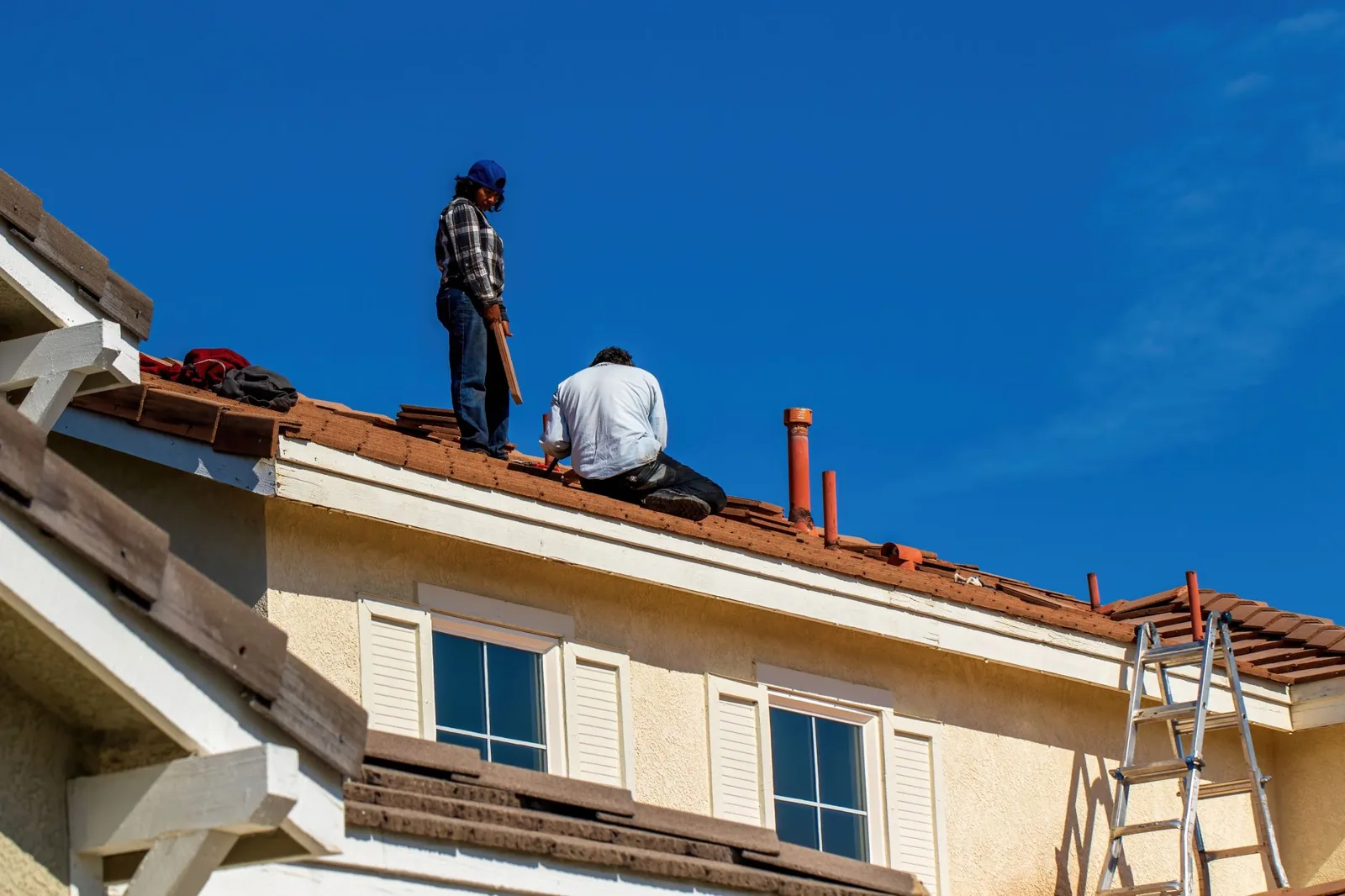
How Much Should a Roof Replacement Cost in 2026? Prices by Material & Size
Ask a contractor how much should a roof replacement cost and you will almost always get a range before you get a number. That is not a sales dodge. A roof is priced on far more than square footage — the material you choose, the pitch and complexity of your roofline, your labor market, and the condition of the decking underneath all move the final figure by thousands of dollars.
In the United States, homeowners spent an average of between $9,000 and $18,000 on a full roof replacement in 2026, with most asphalt-shingle jobs on a typical single-family home landing in the $8,000 to $14,000 window. A complex job with premium materials can easily cross $30,000. This guide breaks down real numbers so you can price your own project before the first estimator knocks on the door.
How Much Should a Roof Replacement Cost? National Averages
The single number most homeowners want to hear is the national midpoint. According to HomeAdvisor’s latest cost data, the average roof replacement in the US runs about $11,500, with the typical homeowner falling between roughly $7,000 and $20,000 depending on material and size. When contractors quote roofing, they almost never talk in square feet — they price by the “square,” which is a 100-square-foot section of roof.
That distinction matters because your roof’s surface area is always larger than your home’s footprint. A 2,000-square-foot house often carries 2,400 to 3,000 square feet of actual roof once you account for the pitch and overhangs.
Here is how the most common materials stack up on a national, installed-cost basis:
| Roofing Material | Installed Cost Range | Cost per Square (100 sq ft) | Typical Lifespan |
|---|---|---|---|
| Asphalt shingles (3-tab) | $5,500 – $11,000 | $250 – $400 | 15 – 20 years |
| Architectural shingles | $8,000 – $20,000 | $350 – $550 | 25 – 30 years |
| Metal (standing seam) | $12,000 – $35,000 | $900 – $1,800 | 40 – 70 years |
| Wood shake / cedar | $14,000 – $30,000 | $600 – $1,200 | 25 – 40 years |
| Clay or concrete tile | $15,000 – $45,000 | $700 – $1,500 | 50+ years |
| Slate | $20,000 – $60,000+ | $1,100 – $2,500 | 75 – 150 years |
Asphalt shingles remain the default for a reason: they deliver the lowest upfront cost and the widest choice of contractors. Premium options like slate and standing-seam metal cost more today but rarely have to be replaced again in the same homeowner’s lifetime.
What Actually Drives the Price
If two neighbors get quotes that are $8,000 apart, the difference is rarely one of them being overcharged. These are the five factors that move a roof quote the most.
Roofing Material
Material alone can swing your total by a factor of five. Asphalt shingles cost a few dollars per square foot; slate can exceed $20 per square foot before labor. Premium materials also take longer to install, which multiplies labor costs.
Roof Size and Shape
Bigger is more expensive, but shape matters almost as much. A simple gable roof is fast to strip and resheath. A roof with dormers, valleys, skylights, and multiple slopes requires more cutting, more flashing, and more hours. Complexity can add 15–30% to the same square footage.
Labor and Location
Labor typically makes up 40–60% of a roof replacement. Markets with high construction demand and strict building codes — the coasts and major metros — command premium labor rates. Regional material pricing shifts numbers too: a job that quotes at $10,000 in the Midwest can run $15,000 for the same roof in California.
Tear-Off and Decking
Most “replacement” quotes assume a full tear-off of the old roof. If the plywood or OSB decking underneath is rotted, contractors replace it by the sheet, typically $2–$3 per square foot of decking — a cost you won’t know until the old shingles come off. A clean roof is cheaper than one hiding water damage.
Permits and Disposal
Permits run $150 to $500 in most municipalities, and dump fees plus disposal of the old material usually add another $1 to $3 per square foot. A good quote itemizes these rather than burying them.
Cost by Home Size
Because roof surface area tracks roughly with home footprint, you can estimate a ballpark before calling anyone. These figures assume asphalt architectural shingles, a moderate pitch, and no decking surprises.
- 1,000 sq ft home — roughly 1,200–1,500 sq ft of roof: $4,500 – $9,000
- 1,500 sq ft home — roughly 1,800–2,200 sq ft of roof: $6,500 – $13,500
- 2,000 sq ft home — roughly 2,400–3,000 sq ft of roof: $8,500 – $16,500
- 2,500 sq ft home — roughly 3,000–3,800 sq ft of roof: $10,500 – $20,000
- 3,000+ sq ft home — roughly 3,600–4,500 sq ft of roof: $13,000 – $26,000+
For a deeper per-square-foot breakdown, see how much a roof replacement costs per square foot. If you want the picture for a 2,000-square-foot house specifically, we lay it out in roof replacement cost for a 2000 sq ft house.
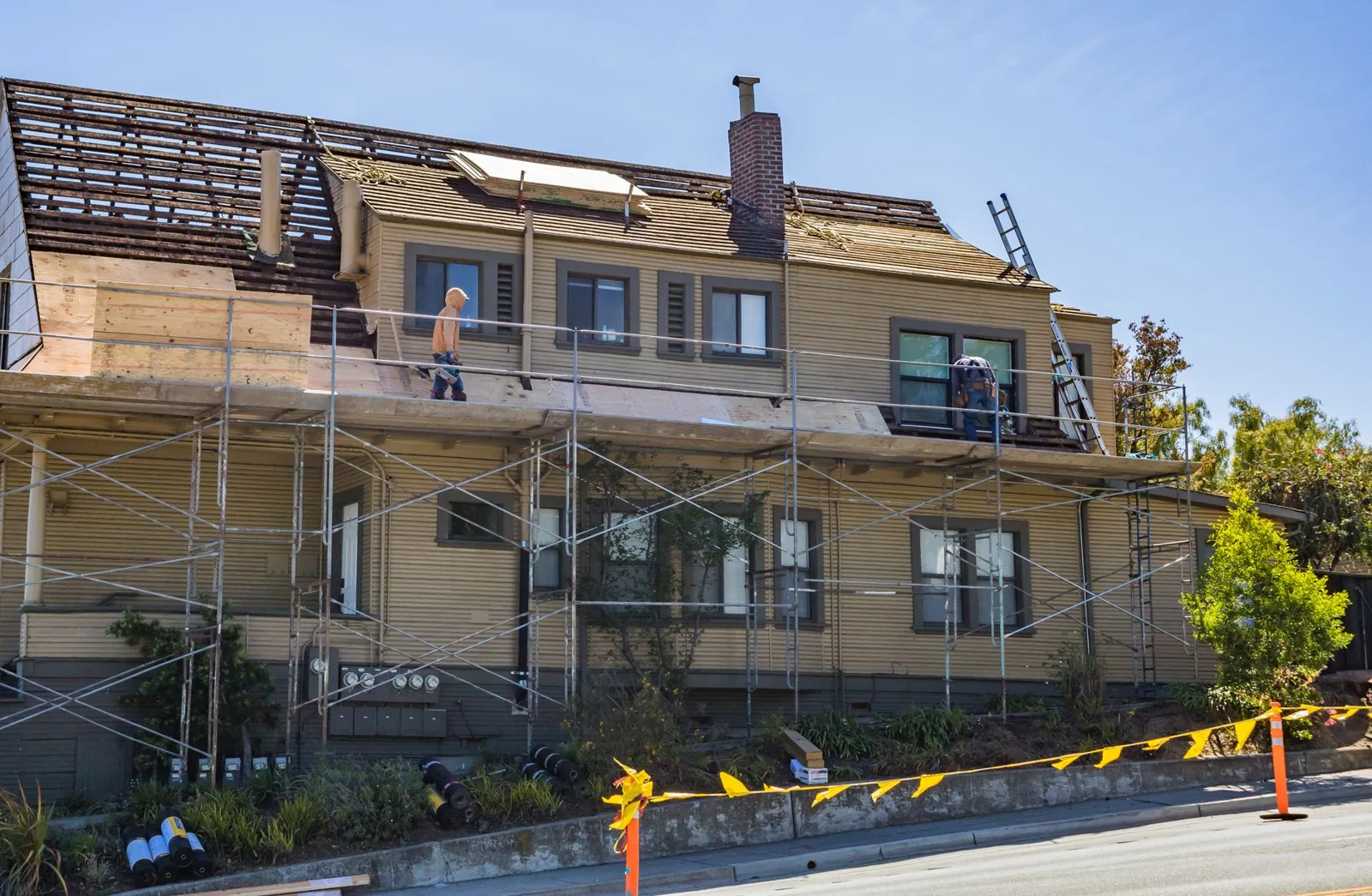
Repair vs. Replace: When the Cheaper Option Loses
A repair runs $400 to $1,800 for most issues, so it is tempting to patch instead of replace. There are times patching is smart and times it is throwing money away. Replace when:
- Your asphalt shingle roof is 20+ years old and curling or losing granules.
- Leaks appear in multiple places, not one isolated spot.
- More than about 30% of the roof is damaged, or you see sagging decking.
- You plan to sell soon — a failed roof is a top deal-killer in home inspections.
If a single missing shingle or a spot of flashing is the only problem and the roof is otherwise sound, a targeted repair usually makes more financial sense.
How to Get a Fair Quote
The best way to control the number on the proposal is to control the process. Follow these steps and you’ll rarely overpay.
- Get at least three written quotes. Spread between local independents and larger roofers; prices routinely vary 20–40% on identical work.
- Compare line-by-line. Look at material brand, underlayment type, flash count, and whether decking repair is included.
- Ask for the manufacturer warranty in writing. A GAF or Owens Corning system warranty is worth more than a vague “labor guarantee.”
- Check licenses and insurance. Verify the contractor is licensed and carries workers’ comp and liability coverage before signing.
- Time it if you can. Roofers are busiest in late summer and fall; booking in late winter or early spring can land a small discount.
For a broader comparison of what the project typically runs, see our guide on how much does a roof replacement cost.
Frequently Asked Questions
How much should a roof replacement cost per square?
Nationally, roofing contractors charge roughly $350 to $550 per square (100 square feet) for asphalt architectural shingles, including labor. Premium materials run far higher — metal can hit $1,800 per square.
Can I install a second layer of shingles to save money?
You can in some jurisdictions, and a reroof costs 20–40% less than a tear-off. But it hides decking problems, adds weight, and rarely lasts as long. Most experts — including This Old House’s roofing guidance — now recommend a full tear-off for long-term value.
Is a metal roof worth the extra cost?
For homeowners staying 10+ years, usually yes. Metal roofs last 40–70 years, cut cooling costs as a reflective surface, and can qualify for energy-efficiency tax incentives tracked by the US Department of Energy. The payoff is long, not immediate.
Does a new roof increase home value?
Estimates from the remodeling industry consistently place roof replacement among the highest-return exterior projects, typically recovering 60–70% of cost in resale value plus stronger buyer confidence.
How long does a roof replacement take?
A straightforward asphalt tear-off and replacement on a typical single-family home takes 1 to 3 days. Tile, slate, and complex rooflines can stretch the job to a week or more.
The Bottom Line
So how much should a roof replacement cost? For most American homeowners replacing asphalt shingles, plan on $8,000 to $14,000, with the exact figure set by your roof’s size, shape, material, and the decking lurking underneath. The fastest way to protect that investment is to collect three itemized quotes, compare them square for square, and choose a licensed contractor who stands behind the work in writing.
A roof is the one component standing between your home and the weather. Price it honestly, buy the best material your budget allows, and you’ll only write the check once. Ready for a number? Start with a roof replacement cost reference, then get local quotes to see where your market actually lands.