How Much Does Roof Replacement Cost UK? Full 2024 Price Guide
If your tiles are slipping, your felt is sagging, or there is damp spreading across the upstairs ceiling, the first question on your mind is simple: how much does roof replacement cost uk? The short answer is that most UK homeowners pay between £4,000 and £8,000 for a full roof replacement on a typical three-bedroom semi, though the final bill can run anywhere from £3,000 for a small terraced roof to well over £20,000 for a large detached home with natural slate.
The range is wide because no two roofs are the same. The size of your roof, the material you choose, whether the old covering has to be stripped back to the rafters, and where you live in the country all move the number significantly. Understanding where the money goes makes it far easier to compare quotes without getting taken advantage of.
Below, we break down real UK prices for materials, labour and scaffolding, explain the factors that drive the cost up or down, and show you how to get an accurate quote. Use the figures as a benchmark so you can judge any estimates that come through your door.
How Much Does Roof Replacement Cost UK Homeowners Really Pay?
A full roof replacement in the UK typically costs between £3,000 and £18,000, with a national average of around £5,500 to £6,500 for a standard pitched roof on a semi-detached property. The cost is usually calculated per square metre of roof area rather than per room, which catches some homeowners off guard.
As a working rule, expect to pay:
- Small terraced house (40–60 m²): £3,000 to £5,500
- Semi-detached house (60–80 m²): £5,000 to £8,000
- Detached house (80–120 m²): £7,000 to £12,000
- Large detached home (120 m²+): £10,000 to £18,000
These figures include removing the old covering, repairing or replacing the timber battens and underlay, laying the new material, and clearing the site. If your roof structure itself is rotting and the rafters need replacing, the bill climbs because you are paying for structural carpentry on top of the covering.
The material you choose has the single biggest impact on price after size. Basic interlocking concrete tiles are the cheapest option, while natural slate, clay tiles and metal roofing sit at the premium end of the scale.
What Moves the Cost Up or Down?
Before you compare quotes, it helps to know what a roofer is actually pricing. Six factors explain most of the difference between one estimate and the next.
Roof size and pitch. A steep, two-storey roof is harder and slower to work on than a shallow bungalow roof, so labour costs rise. The total area, measured in square metres, is the baseline for every calculation.
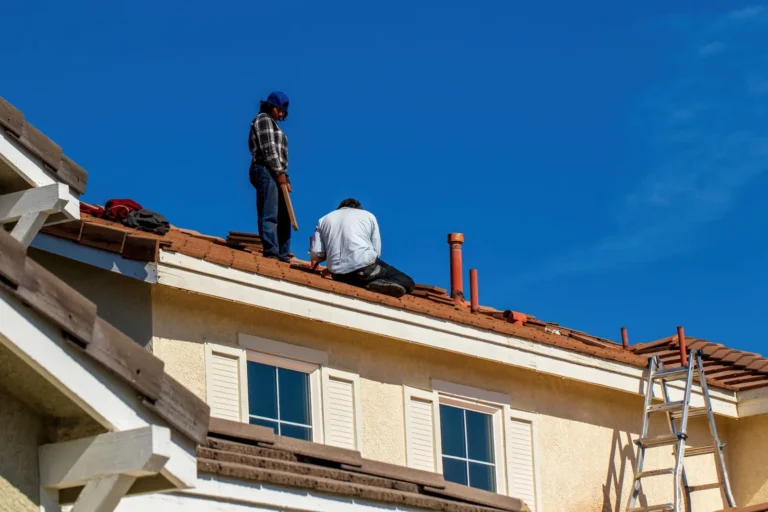
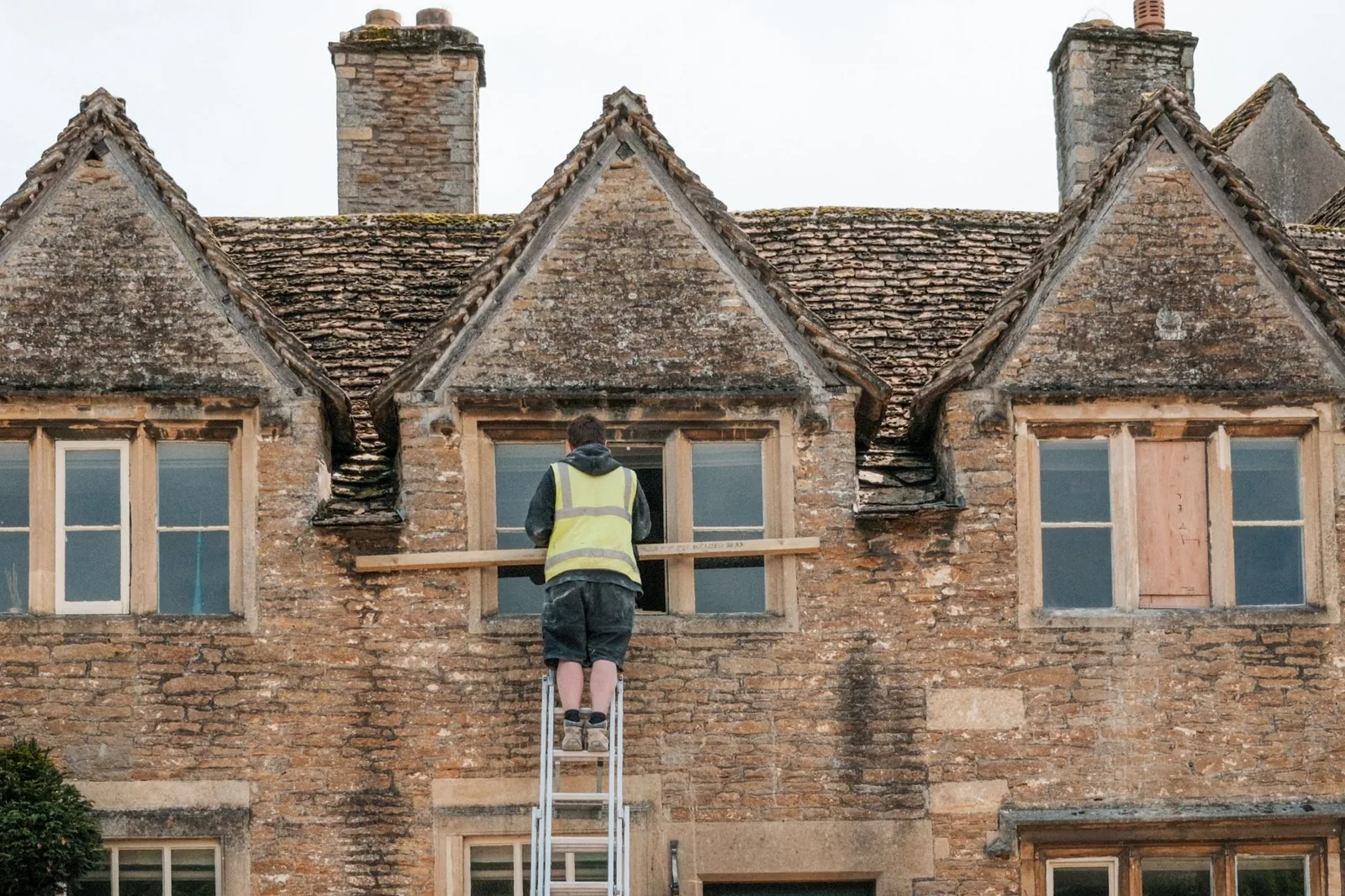
Access and scaffolding. The harder the roof is to reach — a terraced house on a busy road, a property with a narrow side return, or a roof surrounded by extensions — the more scaffolding you need. Scaffolding alone reliably adds £500 to £1,200.
Condition of the existing structure. A straightforward recover where the timbers are sound is cheap. If the rafters or ceiling joists are rotten or woodworm-damaged, expect to pay a carpenter to replace them, which can add £1,000 to £4,000.
Number of chimneys, valleys and dormers. Every lead flashing, valley, skylight and chimney junction is a point of complexity. A plain rectangular roof is fast; a roof with three dormers and two chimneys is slow.
Your location. Roofers in London and the South East charge more than those in the North of England, Scotland or Wales, partly because of higher labour rates and partly because of congestion and parking when loading materials.
Waste removal. Stripping an old roof produces a surprising amount of waste — often several tonnes of broken tile, felt and battens. A skip and disposal typically cost £200 to £450, and this should always be itemised.
Roof Replacement Costs by Material
The covering you choose is the fastest way to move the total up or down. Here is how the main options compare for a typical 60 m² roof, including materials, labour and stripping the old roof.
| Factor | Concrete Tile | Natural Slate | Clay Tile | Flat Roof (Fibreglass / EPDM) |
|---|---|---|---|---|
| Cost per m² (materials only) | £20 to £40 | £60 to £100 | £45 to £80 | £40 to £70 |
| Typical total for 60 m² roof | £4,000 to £6,500 | £7,000 to £12,000 | £6,000 to £10,000 | £3,500 to £6,000 |
| Lifespan | 40 to 60 years | 80 to 120+ years | 60 to 100 years | 20 to 40 years |
| Best for | Budget replacements | Period & listed homes | Traditional looks | Extensions & garages |
Concrete interlocking tiles are the workhorse of the UK roofing trade. They are cheap, quick to lay and perfectly adequate for most post-war and modern homes. If you want to keep the price down, this is the default choice.
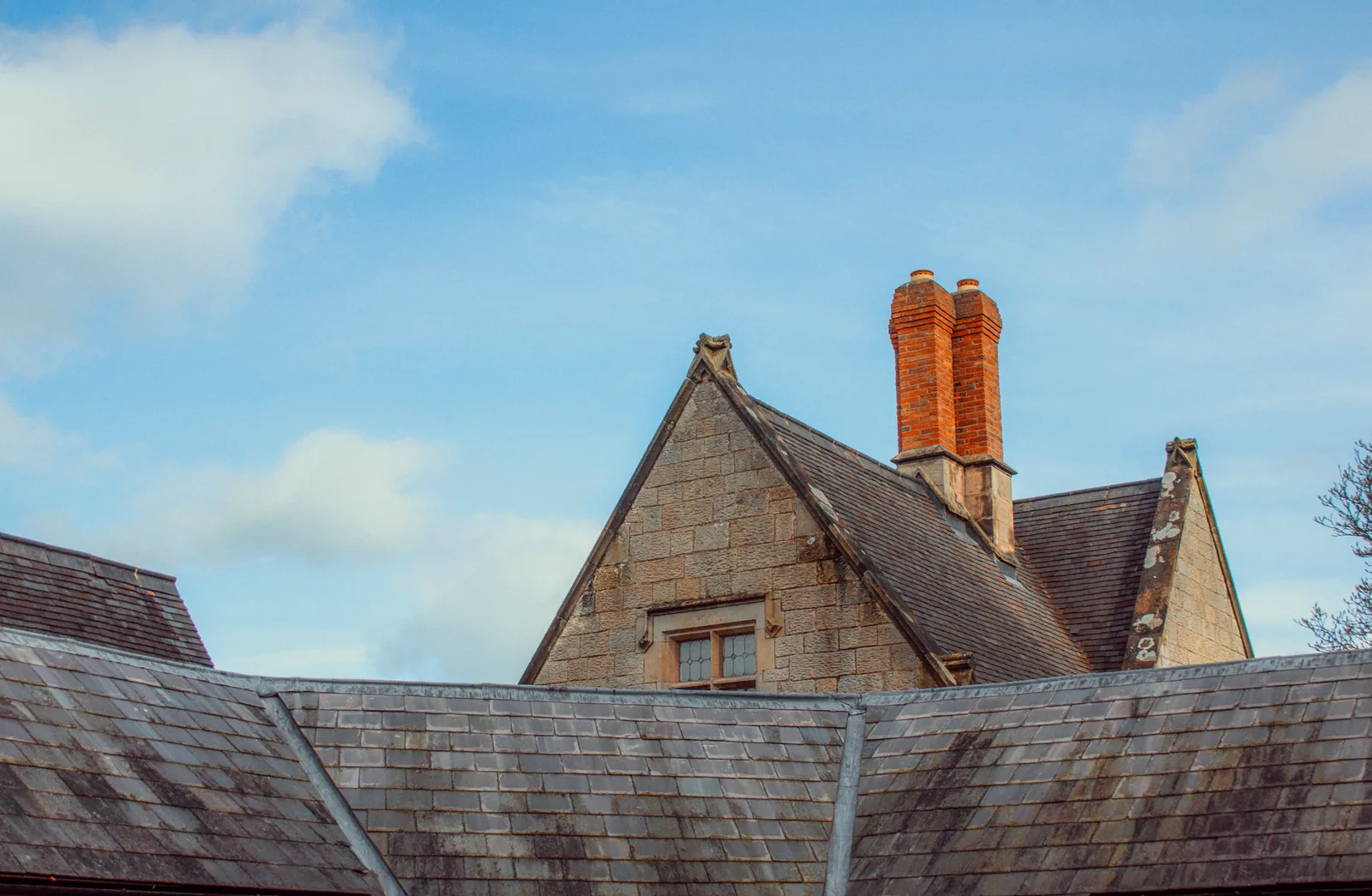
Natural slate is the premium option. Welsh and Spanish slate looks superb and routinely outlasts the owners, but it is heavy, expensive, and needs a stronger roof structure to carry it. It is the right choice for listed buildings and conservation areas, not a bargain job.
Clay tiles sit between the two, offering a durable, traditional appearance at a mid-range price. Machine-made clay tiles are more consistent than handmade ones and noticeably cheaper, making them a sensible compromise.
Flat roofs are priced differently because they are usually smaller and use a different system. Fibreglass (GRP) and EPDM rubber have largely replaced traditional felt, and a typical flat roof over an extension or garage runs £60 to £90 per square metre all-in.
Labour, Scaffolding and Disposal: The Hidden Costs
Materials are only part of the story. On a typical job, labour often accounts for half the total, and the surrounding costs — scaffolding, skip hire and structural work — can quietly add thousands.
Roofer day rates. Most UK roofers charge between £150 and £250 a day, or they price the whole job per square metre. A straightforward roof replacement on a semi takes a crew of two around three to five days, which is why labour commonly lands around £1,800 to £3,500.
Scaffolding. Budget £500 to £1,200 for a standard two-storey house. This is non-negotiable on safety grounds — no reputable roofer works at height without it, and scaffolding is also a legal requirement under the Work at Height Regulations for most domestic jobs.
Battens, felt and fixings. Even when the rafters are sound, the roofers will usually replace the membrane (underlay), new treated battens and every fixing. Materials for this layer typically add £500 to £800 to a standard roof.
Structural repairs. Once the old covering comes off, the real state of the roof is visible for the first time. Budget for the possibility that some timbers need replacing, and ask your roofer how they will handle it if rot is found mid-job.
Skips and disposal. Stripping a roof generates tonnes of waste. A medium skip plus disposal costs £200 to £450 depending on where you live, and some jobs need two.
Replacing vs Repairing Your Roof
Not every problem needs a full replacement. If a handful of tiles have slipped or a small area of flashing has failed, a repair for £100 to £400 is often all that is needed — and it is worth getting a second opinion before agreeing to a full strip and recover.
A full roof replacement is the right call when the covering is at or near the end of its life, the membrane is failing, or you are seeing damp spread across a wide area. A repair is the right call for localised storm damage and single points of failure.
The honest guide is age: if your concrete-tiled roof is over 40 years old, or your felt flat roof is over 20, patching is usually throwing good money after bad. You will likely spend more on repeat repairs over the next few years than a replacement would have cost up front.
For a closer look at how those numbers break down by square metre, see our guide to the cost per square foot — the same logic applies when you convert to metric.
How to Get an Accurate Quote
Roofing quotes vary more than almost any other home-improvement trade, so gathering three written estimates is essential. When you do, make sure every quote covers the same scope, because cheaper isn’t cheaper if it omits scaffolding or disposal.
Ask for a written, itemised quote. The estimate should list materials with quantities, labour in days, scaffolding, skip hire and a line for contingencies. A single vague “roof replacement: £6,500” figure tells you nothing about what is included.
Confirm the specification, not just the price. Two roofers may both quote for “tiles” while using very different products. Ask for the exact tile, underlay brand and battens so you are comparing like with like.
Check credentials and insurance. Use a roofer who is a member of a recognised body such as the National Federation of Roofing Contractors (NFRC) or the Confederation of Roofing Contractors, and confirm they carry public liability insurance. This Old House and the Family Handyman both publish useful checklists for vetting roofers.
Watch for cash-only deals. A roofer offering a big discount for “cash and no paperwork” is a red flag. You lose the written warranty and any comeback if the work fails.
Frequently Asked Questions
How much does roof replacement cost uk per square metre?
For a standard pitched roof you should budget £60 to £90 per square metre for concrete tiles, £80 to £120 per square metre for slate, and £60 to £90 per square metre for a flat roof. These figures typically include labour and stripping the old covering.
Do I need planning permission to replace my roof?
No, in most cases replacing a roof like-for-like is permitted development, so you don’t need planning permission. You do need to follow building regulations if the work changes the roof structure or insulation, and different rules apply in conservation areas and on listed buildings.
How long does a roof replacement take?
A straightforward roof on a semi-detached house takes a roofing crew around three to five days, including stripping, any minor timber repairs and laying the new covering. Add a day or two for scaffolding erection and removal, and longer if extensive structural work is needed.
Will my roof replacement be covered by a warranty?
Yes, a reputable roofer should provide a written guarantee on their work, typically 10 to 15 years, on top of the manufacturer’s warranty on the materials, which can run 20 to 60 years. Get both warranties in writing before you pay the final instalment.
Does a new roof add value to my house?
A new roof can add real value, in part because it removes a bargaining point for buyers. Surveyors and buyers routinely knock thousands off their offer for a roof nearing the end of its life, so replacing it before a sale often pays for itself.
The Bottom Line
So, how much does roof replacement cost uk? Plan on £4,000 to £8,000 for a typical semi-detached home, £3,000 to £5,500 for a terrace, and £7,000 to £18,000 for a larger detached property. The material you choose, the condition of the timbers, and the cost of scaffolding and disposal explain most of the difference between quotes.
The single best thing you can do is get three itemised, written quotes from reputable roofers and compare them line by line. Cheap estimates that skip scaffolding, disposal or structural repairs cost more in the long run. If you are weighing whether the job is worth it now, our guide to what a roof replacement should cost covers how the numbers break down across materials, so you can plan with confidence.