How Much Roof Replacement Cost in California (2025 Pricing Guide)
Wondering how much roof replacement cost in california? The short answer is that most single-family homeowners pay between $8,000 and $25,000 for a full tear-off and replacement, with a statewide average around $15,000 for a typical 1,700-square-foot asphalt-shingle roof. But that number swings hard depending on the material, the pitch of your roof, and whether you’re paying Bay Area labor rates or Central Valley prices.
California is not one market. A standing-seam metal roof in San Francisco can run $40,000 or more, while a three-tab shingle roof in Bakersfield might come in under $10,000. The good news: the factors that move the price are predictable, which means you can plan accurately — and negotiate from a position of knowledge.
How Much Roof Replacement Cost in California by the Numbers
Before we break things down, here are the figures homeowners actually report. These are installed costs, including tear-off of the old roof, new underlayment, flashing, and labor:
- Asphalt shingles (3-tab): $9,000–$14,000 on a typical 2,000 sq. ft. roof
- Architectural shingles: $12,000–$22,000
- Metal (standing seam): $24,000–$42,000
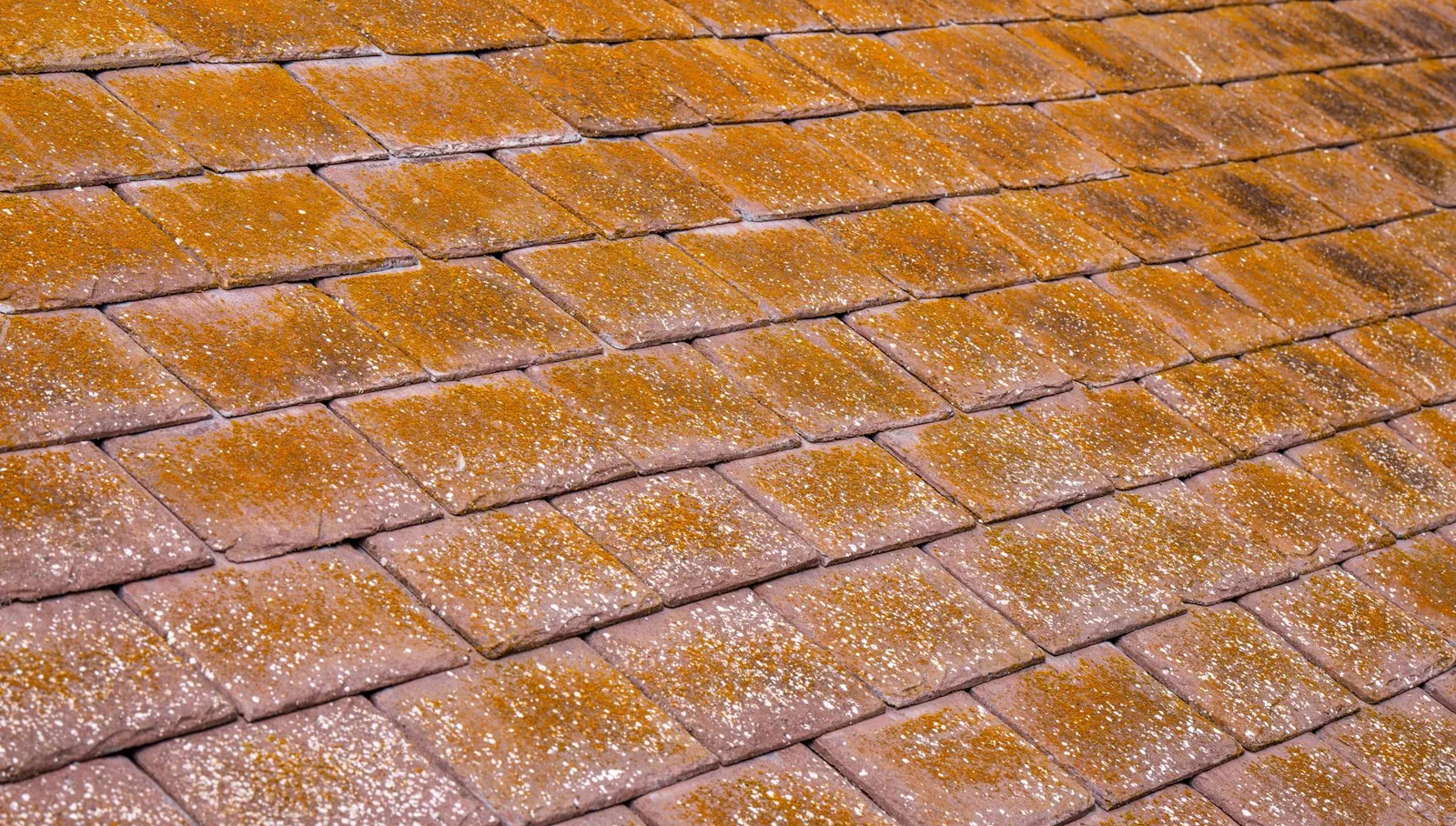
- Concrete or clay tile: $20,000–$40,000
- Slate: $30,000–$60,000 and up
On a per-square-foot basis — the pricing method most contractors use, where one “square” equals 100 square feet — expect to pay roughly $4.50 to $15 per square foot depending on material. We cover this math in more detail in our guide to roof replacement cost per square foot.
What Factors Drive the Price
Roof replacement isn’t priced like a widget. Five variables explain most of the gap between the lowest and highest quotes you’ll receive.
Roof Size and Complexity
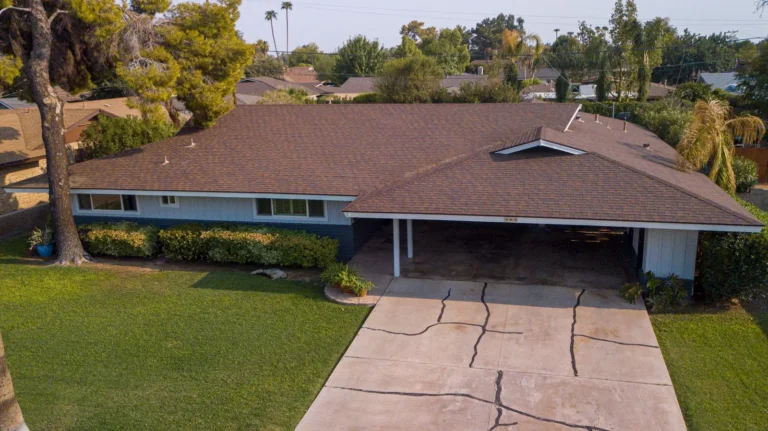
Bigger roofs need more material and more labor hours, so size is the single largest driver. But complexity matters just as much. A roof with dormers, valleys, skylights, and multiple pitch changes takes longer to flash and waterproof correctly. Chimneys, vents, and pipe penetrations also add labor. A simple ranch-style roof is the cheapest geometry to replace.
Pitch (Slope)
Steep roofs carry a labor premium. Anything over a 6:12 pitch usually requires staging, harnesses, and slower, more careful work — often a 10–30% upcharge over a walkable low-slope roof. Flat and low-slope roofs need different materials entirely (TPO, EPDM, or modified bitumen), which change the cost equation rather than raising it.
Material
Material choice can triple your bill. Three-tab asphalt is the budget option; architectural shingles are the mainstream default; metal, tile, and slate are premium systems that last longer and cost far more up front. We’ll compare them in the table below.
Tear-Off and Disposal
If your contractor is replacing over an existing roof, they usually need to tear off the old layer and haul it away. Tear-off typically adds $1 to $3 per square foot, and dump fees vary by county. In some California counties, a second layer of asphalt can be installed over the first to save money, but this shortens the new roof’s lifespan and voids some manufacturer warranties.
Permits and Labor Rates
California labor is expensive — among the most expensive in the country for skilled trades. Expect $5,000–$10,000 of the total to be pure labor on an average job. Permits add $200–$700 depending on the city, and many municipalities require a final inspection before the roof is signed off.
Cost by Roofing Material
Here’s how the most common California roofing systems stack up. Installed costs are shown per square foot and for a standard 2,000-square-foot (20-square) roof.
| Roofing Material | Installed Cost per Sq. Ft. | Typical 2,000 Sq. Ft. Roof |
|---|---|---|
| Asphalt shingles (3-tab) | $4.50–$7 | $9,000–$14,000 |
| Architectural shingles | $6–$11 | $12,000–$22,000 |
| Metal (standing seam) | $12–$21 | $24,000–$42,000 |
| Concrete or clay tile | $10–$20 | $20,000–$40,000 |
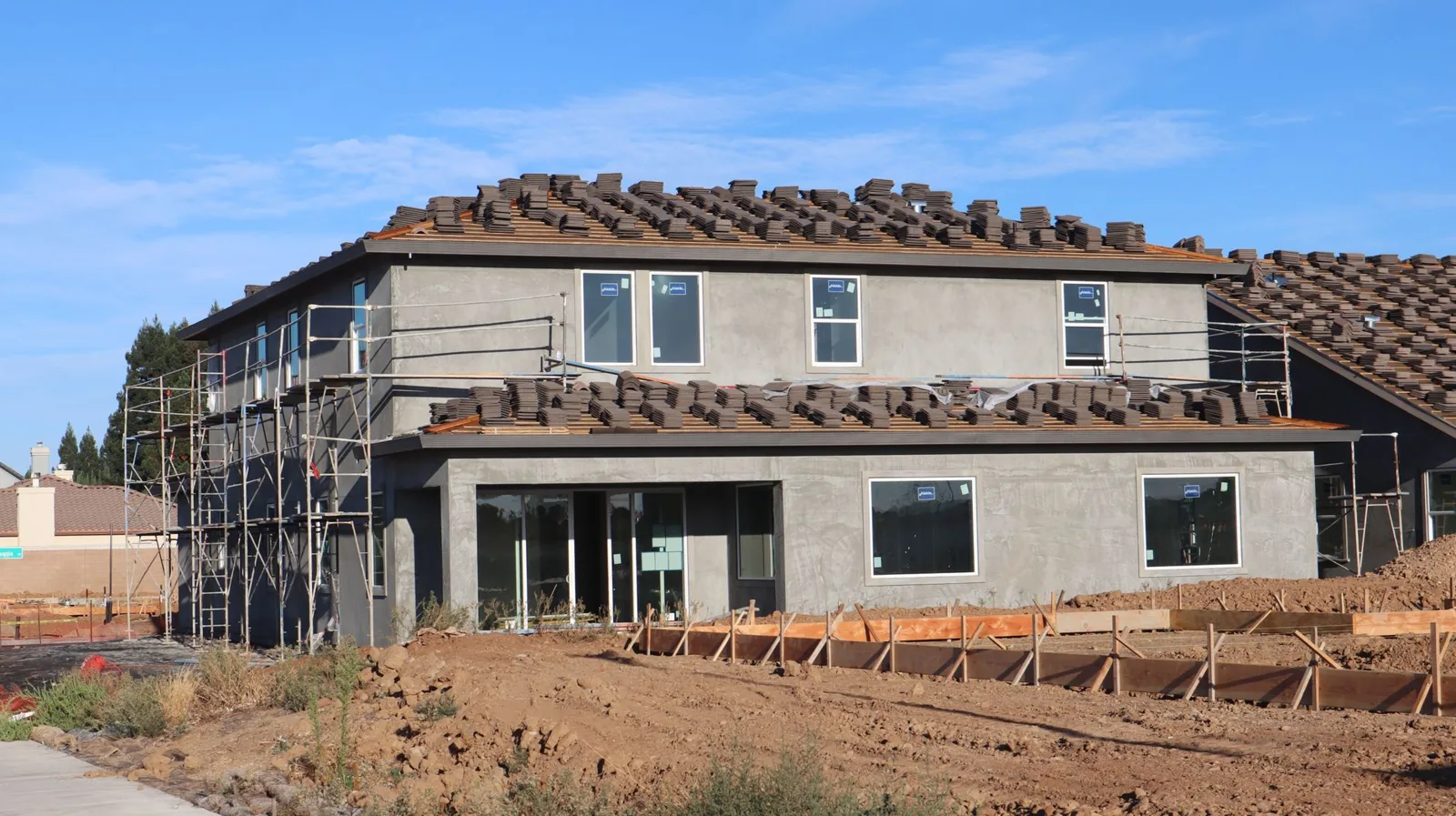
Asphalt shingles are the default for good reason: they’re cheap, install fast, and last 20–30 years. Architectural (dimensional) shingles look thicker and cost about 20–40% more but last longer and add curb appeal. Metal is the biggest upfront investment of the mainstream options, but a standing-seam roof can last 40–70 years and holds up well in wildfire-prone zones. Concrete and clay tile are common in Southern California’s Spanish-style homes; they’re heavy, so structural reinforcement sometimes adds to the bill.
If you want a full breakdown sized to your home, see our article on roof replacement cost for a 2,000 sq. ft. house.
Cost by City: Where Labor Hits Hardest
Where you live in California changes the quote more than almost anything else. Labor and overhead differ dramatically between coastal metro areas and inland communities.
- San Francisco Bay Area: $15,000–$35,000 for a typical shingle roof. The highest labor and permit costs in the state, plus steep, older homes.
- Los Angeles / San Diego: $12,000–$28,000. Large competitive market, but coastal pricing and lots of tile roofs push the average up.
- Sacramento and the Central Valley: $9,000–$20,000. Lower labor rates and simpler ranch-style housing stock.
- Inland Empire and Fresno: $8,000–$18,000. Often the cheapest roofing labor in the state.
Price differences of $5,000 or more for the same roof are routine between these regions. When comparing quotes, always ask for a line-item breakdown so you can see whether the gap is material, labor, or overhead.
California-Specific Costs You Should Know
A few rules and codes only apply in California and can add to your final bill.
Title 24 Cool Roof Requirements
California’s energy code (Title 24, Part 6) requires cool-roof materials in many climate zones and for most re-roofing projects where a significant portion of the roof is replaced. Cool roofs use reflective shingles, tiles, or coatings to reduce heat absorption. Reflective materials usually cost slightly more (roughly 5–10%) but qualify for rebates and cut cooling bills — a worthwhile trade in places like Sacramento or the Inland Empire.
Wildfire Zones (WUI)
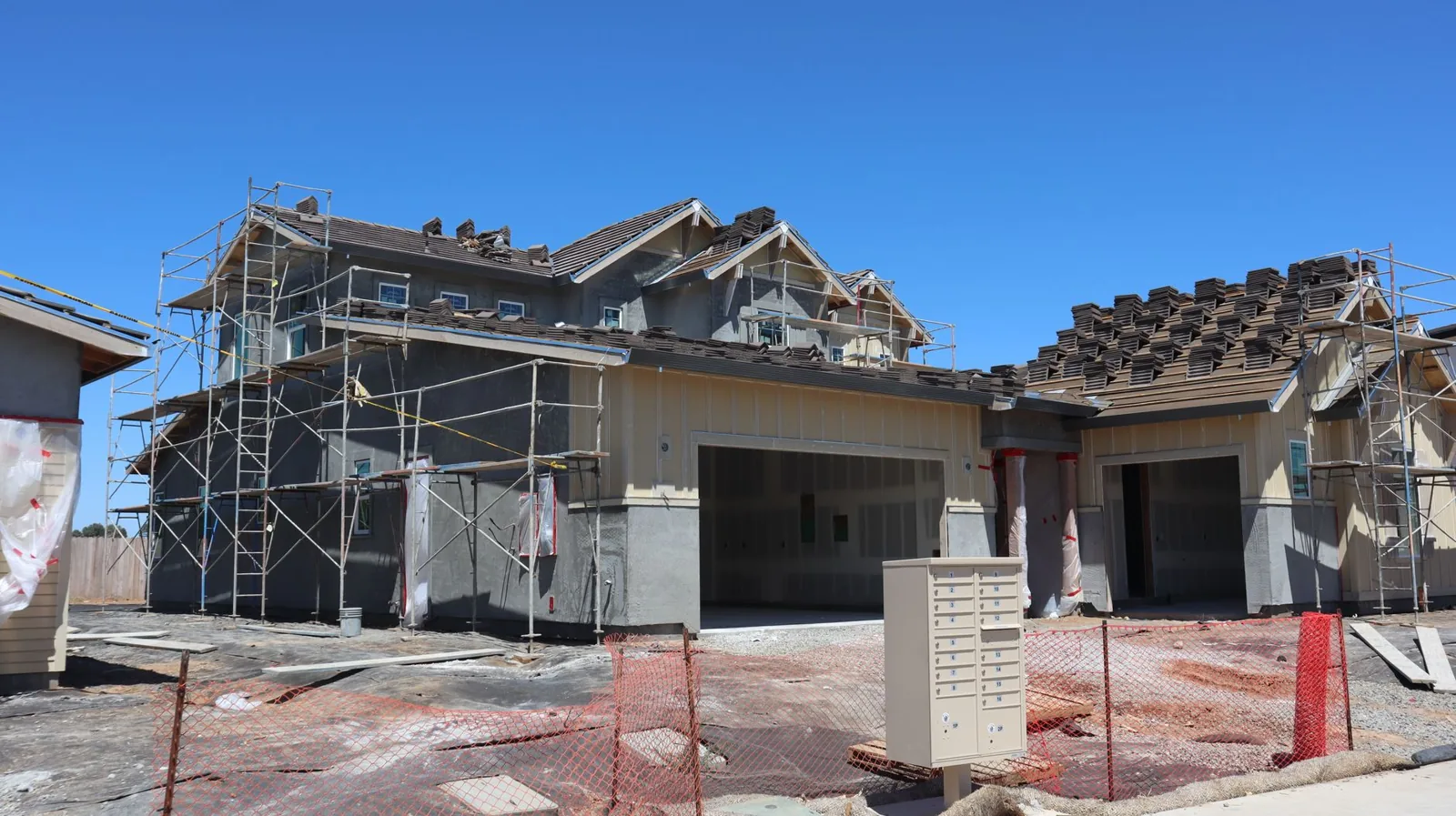
In Wildland-Urban Interface (WUI) areas — huge swaths of the foothills, wine country, and Southern California’s canyons — building codes require Class A fire-rated roofing. That typically means metal, tile, or fire-resistant composition shingles rather than untreated wood shakes. Factor this in if you live in a fire-prone zone, because a non-compliant roof can also affect your insurance. This Old House has a useful primer on fire-resistant roofing materials.
Seismic and Structural Strength
Tile and slate are heavy — often 6 to 15 pounds per square foot versus under 4 for asphalt. If your home’s framing wasn’t built for that load, you may need structural reinforcement, which can add $2,000–$10,000. A licensed contractor should check the structure before quoting a tile or slate install.
8 Ways to Save on Roof Replacement
Roof replacement is a big check to write, but there’s real room to trim the total without cutting corners:
- Get at least three written quotes — the spread between bidders in California is routinely 30% or more.
- Time it right — roofing demand peaks in summer; scheduling in late fall or early winter can yield discounts.
- Bundle work — replacing skylights, gutters, or flashing at the same time is cheaper than doing it later.
- Check for insurance coverage — hail, wind, or tree damage may be covered, leaving you paying only the deductible.
- Ask about a roof-over — if code allows and you currently have a single layer, a second layer of shingles can cut tear-off costs.
- Look for manufacturer rebates — major brands sometimes run rebates on their premium shingle lines.
- Confirm square-foot pricing isn’t inflated — always divide the quote by your roof’s actual square count.
- Pull permits yourself — some contractors mark up permit fees; handling the permit office visit can save a few hundred dollars.
For a broader look at what drives the national average, check out how much a roof replacement costs.
Frequently Asked Questions
How much should a roof replacement cost in California?
Most homeowners pay between $8,000 and $25,000, with an average near $15,000 for a standard asphalt-shingle roof. Premium materials like metal or tile push the total toward $25,000 and up.
How much does roof replacement cost per square foot in California?
Expect roughly $4.50 to $15 per square foot installed, depending on material. Three-tab asphalt sits at the low end; standing-seam metal and slate sit at the high end.
How long does a roof replacement take in California?
A typical asphalt-shingle roof takes one to three days on site for a professional crew. Tile, metal, or complex roofs with steep pitches can take a week or more.
Do I need a permit to replace my roof in California?
Yes, in most cities and counties. Permit fees typically range from $200 to $700, and a final inspection is usually required. Your contractor normally handles this, but always confirm it’s included in the quote.
Does a new roof increase home value in California?
Generally yes. Sellers often recover a meaningful portion of the cost — commonly estimated at 60–70% — while a failing roof can derail a sale entirely. Energy-efficient cool roofs can add further appeal in hot climate zones.
The Bottom Line
How much roof replacement cost in california comes down to material, size, pitch, and zip code. A straightforward asphalt replacement on a modest single-story home might cost around $10,000, while a tile roof on a steep two-story in the Bay Area can exceed $40,000. The single best move you can make is to collect three itemized quotes and compare them line by line — that’s how you separate fair pricing from markup.
Replacing a roof is not the place to chase the cheapest bid. A correctly installed roof protects everything under it for decades, so prioritize a licensed, insured contractor with local references. Get your quotes, understand the material trade-offs, and you’ll spend your budget where it counts.
If you’re ready to compare options, start with our roof replacement cost calculator guide to get a working estimate for your home.