How Much Roof Replacement Cost for 2000 Sq Ft House: 2025 Guide
A full roof replacement on a 2,000 square foot home is one of the biggest exterior investments a homeowner makes, and the honest answer to “how much roof replacement cost for 2000 sq ft house” is: most people pay between $8,000 and $16,000 for a standard architectural asphalt shingle job, with the national average landing around $11,500 in 2025. That range shifts fast depending on the material you choose, the pitch of your roof, and where you live.
This guide breaks down real numbers you can plan a budget around. We’ll cover what each material costs, how labor splits from materials, the factors that push a quote up or down, and the warning signs that tell you a replacement is smarter than another patch job.
How Much Does a 2000 Sq Ft Roof Replacement Cost in 2025?
Before you can compare quotes, you need to understand how roofers price the work. Roofers don’t quote by your home’s square footage; they quote by “squares,” where one square equals 100 square feet of roof surface. A 2,000 sq ft single-story home with a simple gable roof typically needs 20 to 24 squares once you account for the roof’s slope and overhangs.
With that as the unit, here’s the reality of asphalt shingle pricing across the country:
- Budget range (3-tab shingles): $7,000 – $10,000
- Standard range (architectural shingles): $10,000 – $16,000
- Premium range (designer or luxury shingles): $16,000 – $25,000
- National average for tear-off + install: $11,500
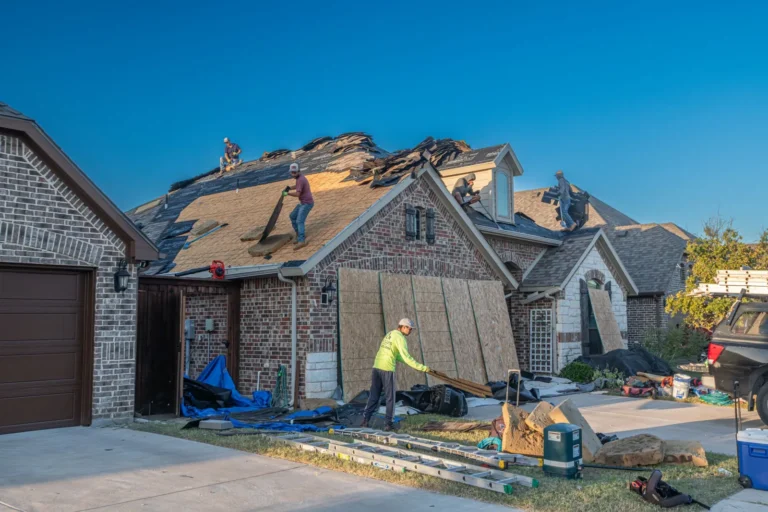
These figures assume a tear-off of the old roof, new underlayment, flashing, and standard cleanup. If you layer new shingles over old ones instead of tearing them off, you might save $1,500 to $3,000 up front, but most manufacturers void the warranty on that approach, and most reputable roofers won’t do it.
For a deeper look at how these numbers are calculated on a per-unit basis, see our breakdown of how much roof replacement cost per square foot.
Roof Replacement Cost by Material
Material choice is the single biggest lever on your final bill. Labor doesn’t change much between tear-offs, but the product price varies by a factor of four or more. Here’s what a 2,000 sq ft roof replacement costs by material type in 2025:
| Material | Typical Cost (2,000 sq ft) | Lifespan | Notes |
|---|---|---|---|
| Asphalt shingles (architectural) | $10,000 – $16,000 | 25–30 years | Best value; most common choice |
| Metal (standing seam) | $20,000 – $34,000 | 40–70 years | High upfront cost, long life |
| Metal (corrugated / exposed fastener) | $13,000 – $20,000 | 30–45 years | Cheaper metal option |
| Concrete or clay tile | $30,000 – $55,000 | 50+ years | Heavy; may need structural work |
| Wood shake / shingle | $22,000 – $40,000 | 30–40 years | Higher maintenance, fire codes apply |
| Slate | $40,000 – $80,000 | 75–150 years | Luxury; specialist installation |
Asphalt architectural shingles remain the default for a reason: they’re affordable, widely available, and walkable for future repair work. If you live in a hail-prone region or plan to stay in the house 20-plus years, a metal roof can pay for itself through durability and lower insurance premiums, though the sticker shock is real.
Breaking Down Labor vs. Materials
On a typical asphalt shingle replacement, labor accounts for roughly 60% of the total, with materials taking the other 40%. Here’s how a $12,000 job usually shakes out:
- Shingles and underlayment: $4,000 – $5,000
- Flashing, vents, drip edge, fasteners: $700 – $1,200
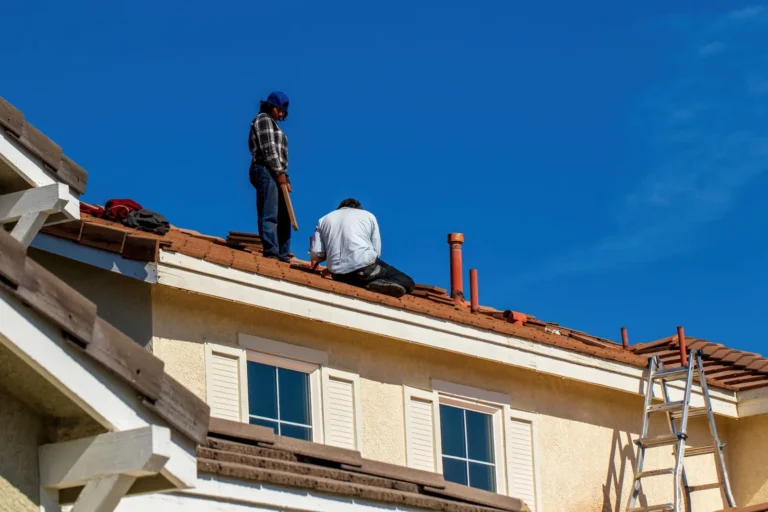
- Labor (crew of 3–5 for 2–3 days): $5,000 – $7,000
- Dump fees and disposal: $400 – $800
- Permits (varies by city): $200 – $500
That labor share is why roofers often price two seemingly identical homes very differently. A steep 8/12-pitch roof is slower and more dangerous to work on than a shallow 4/12, so crews charge more per square even though the material cost is identical.
Factors That Move the Price Up or Down
Five things beyond material choice swing a quote by thousands of dollars. Ask your roofer about each one so you understand exactly what you’re paying for.
Roof pitch and complexity. Anything steeper than 6/12 or with multiple valleys, dormers, skylights, and chimneys adds labor. A simple gable roof might cost $5 per square foot installed; a cut-up roof with four dormers can reach $7 or more.
Number of layers being removed. A first-time tear-off on a house from the 1960s might have two or three layers of old shingles. Each extra layer means more labor and higher dump fees, typically adding $1,000 to $3,000.
Decking condition. Once the shingles come off, roofers inspect the plywood or OSB beneath. If it’s water-damaged or won’t meet code, replacing decking runs $2 to $4 per square foot. Set aside a contingency of 5–10% for this; it’s the most common surprise on any tear-off.
Location and season. Labor rates in coastal California or the Northeast run 20–40% higher than in the Southeast or Midwest. At the same time, roofing in late fall or early spring can save money because crews are slower, while post-storm season in hail belt states brings demand—and prices—up.
Access and job-site conditions. A two-story home with no driveway access, or a job that requires a crane or special fall protection, all push costs higher. Urban jobs with tight streets also carry higher disposal and permit fees.
If you’re trying to nail down a realistic budget for your region, our guide to how much should a roof replacement cost walks through the local factors in detail.
Signs It’s Time to Replace Rather Than Repair
Knowing when to pull the trigger is as important as knowing the price. These are the signals that another repair no longer makes sense:
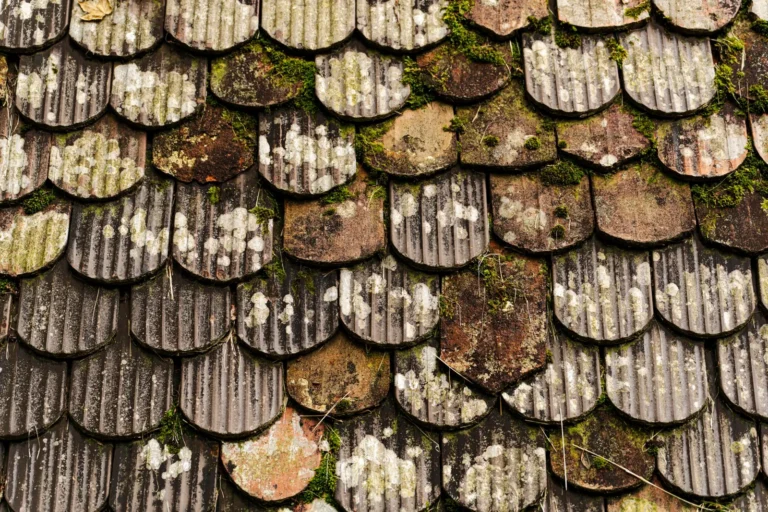
- Shingles are curling, cracking, or losing granules. Granules in your gutters are a classic sign the shingles are nearing the end of their life.
- The roof is 20–25 years old. Most asphalt roofs are designed for 25–30 years; past 20, you’re repairing on borrowed time.
- You see daylight in the attic. Pinholes of light through the decking mean water will follow.
- Sagging or soft spots indicate structural damage beneath the surface.
- Recurring leaks in multiple spots. One repaired leak is normal. Three or four means the system is failing.
If you’re past the 20-year mark and facing a leak, a repair is often money down a hole. Every dollar spent patching a worn-out roof is a dollar you can’t put toward the replacement you’ll need anyway within a few years.
How to Save on a 2,000 Sq Ft Roof Replacement
You don’t have to accept the first quote as the final word. These moves routinely cut 10–25% off the total:
- Get at least three written quotes and compare them line by line, not by bottom line. A cheap quote that skips flashing or ridge vent guarantees a follow-up bill later.
- Time the work for late fall or early spring, when roofers are hungrier for jobs.
- Ask about insurance. If a storm damaged the roof, your homeowner’s policy may cover full or partial replacement, minus your deductible.
- Bundle with other exterior work. If gutters, soffit, or fascia need replacing too, doing it at once saves on mobilization and dump fees.
- Look into tax credits and rebates for reflective or energy-efficient roofing in your area; a cool roof can qualify for utility incentives in some states.
Watch out for rock-bottom bids. Roofing is a trade where a price that’s 40% below the competition almost always means uninsured crews, skipped steps, or materials you’ll be replacing again in a decade.
For current benchmarks and deeper how-to detail, the team at This Old House keeps regularly updated reference guides worth bookmarking.
Frequently Asked Questions
How long does it take to replace a roof on a 2,000 sq ft house?
Most crews finish a standard asphalt tear-off and installation in one to three days, weather permitting. Metal and tile roofs add a day or two because the material is slower to cut and fasten.
Should I replace the roof or just add a second layer of shingles?
Tear off and replace. A second layer hides problems, adds weight your structure wasn’t designed for, and voids the shingle manufacturer’s warranty. The small upfront savings rarely survive the first repair.
Is a metal roof worth the extra cost for a 2,000 sq ft home?
If you plan to stay 20-plus years, yes. Metal lasts two to three times as long as asphalt, can lower cooling and insurance costs, and resists hail. For a short-term resale, you’ll rarely recoup the premium at closing.
Do I need a permit to replace my roof?
Almost always, yes. Most municipalities require a reroof permit, which typically costs $200 to $500. A roofer who suggests skipping it is cutting a corner you’ll pay for when you sell.
Will the roofer remove and dispose of old shingles?
Yes—a proper quote includes tear-off, hauling, and dump fees. Confirm it’s written into the contract so you don’t get a surprise “disposal” line item after the crew leaves.
The Bottom Line
For most homeowners, the answer to “how much roof replacement cost for 2000 sq ft house” is $10,000 to $16,000 for a quality architectural asphalt roof, with the national average near $11,500. Metal runs $20,000 and up; tile and slate can triple it. The variables that matter most are your material choice, roof pitch, decking condition, and local labor rates—not the square footage of your living space.
Get three written quotes, ask about decking contingency, and don’t chase the lowest number. A roof is a 25–30 year purchase; paying a little more up front for a competent crew and good materials is the cheapest decision you’ll make over the life of the house. Want to budget more precisely? Start with our full guide to what a roof replacement should cost for a room-by-room look at the numbers.