How Much Would Roof Replacement Cost? (2025 Pricing Guide)
How much would roof replacement cost on a typical American home? In 2025, most homeowners pay between $8,500 and $22,000 for a full tear-off and re-roof, with a national average of roughly $11,500. The final number moves a lot depending on the material you pick, the size and pitch of your roof, where you live, and how much repair lies underneath the old shingles.
If that range feels wide, it should. Roof replacement is one of the most expensive single projects a homeowner takes on, and two nearly identical houses on the same street can get quotes thousands of dollars apart. The good news: once you understand the three or four factors that drive price, you can get accurate quotes and stop overpaying. This guide breaks down what a roof actually costs by material and size, explains labor versus materials, and shows where homeowners commonly overspend.
What Drives the Cost of a Roof Replacement
Before you compare numbers, it helps to know what a roofer is actually pricing. A roof quote is almost never one lump “roof” number — it is a bundle of distinct costs, and each one reacts differently to your specific house.
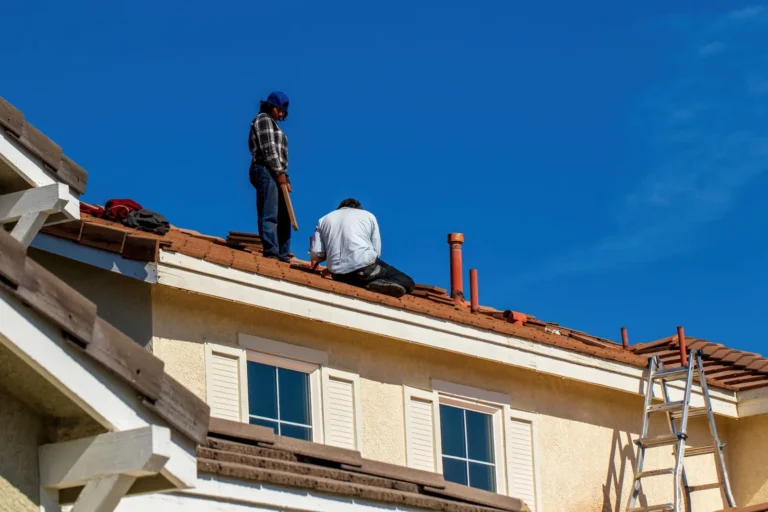
Labor (40%–60% of the total). Roofing is skilled, physically demanding work. A crew needs to remove the old roof, haul away debris, repair the decking, and install new underlayment and shingles. Labor rates run $150–$300 per square (a “square” is 100 square feet of roof area) depending on region and steepness.
Materials. Asphalt shingles are the budget option; architectural shingles, metal, slate, and tile climb quickly. Material costs per square can range from about $100 for basic three-tab shingles to $800+ for standing-seam metal or natural slate.
Roof size and complexity. A simple ranch is fast to roof. A two-story home with dormers, valleys, skylights, and a steep pitch takes more time, more flashing, and more risk — all of which shows up in the quote.
Underlayment and decking repair. Once old shingles come off, roofers often find rotted plywood or OSB decking that has to be replaced before the new roof goes down. Decking replacement runs about $2–$4 per square foot and is the most common surprise add-on in any re-roof.
How Much Would Roof Replacement Cost by Material?
Material choice is the single biggest lever on price. Here is what each major option costs, including labor, for an average 2,000-square-foot home in 2025.
| Factor | Asphalt Shingles | Metal (Standing Seam) | Slate or Tile |
|---|---|---|---|
| Average total cost | $8,500–$14,000 | $15,000–$35,000 | $20,000–$50,000+ |
| Lifespan | 20–30 years | 40–70 years | 50–100+ years |
| Cost per square (100 sq ft) | $350–$600 | $800–$1,800 | $1,000–$2,500+ |
| Best for | Budget, most climates | Durability, steep roofs | Historic or luxury homes |
Asphalt dominates the market for good reason: it is the cheapest to install, easy to repair, and available everywhere. Within asphalt there are two tiers. Three-tab shingles are the economy choice, while architectural (dimensional) shingles cost 20–30% more and add visual depth plus better wind resistance. Most reputable roofers now push architectural shingles as the default because the upgrade is small relative to the labor you are already paying for.
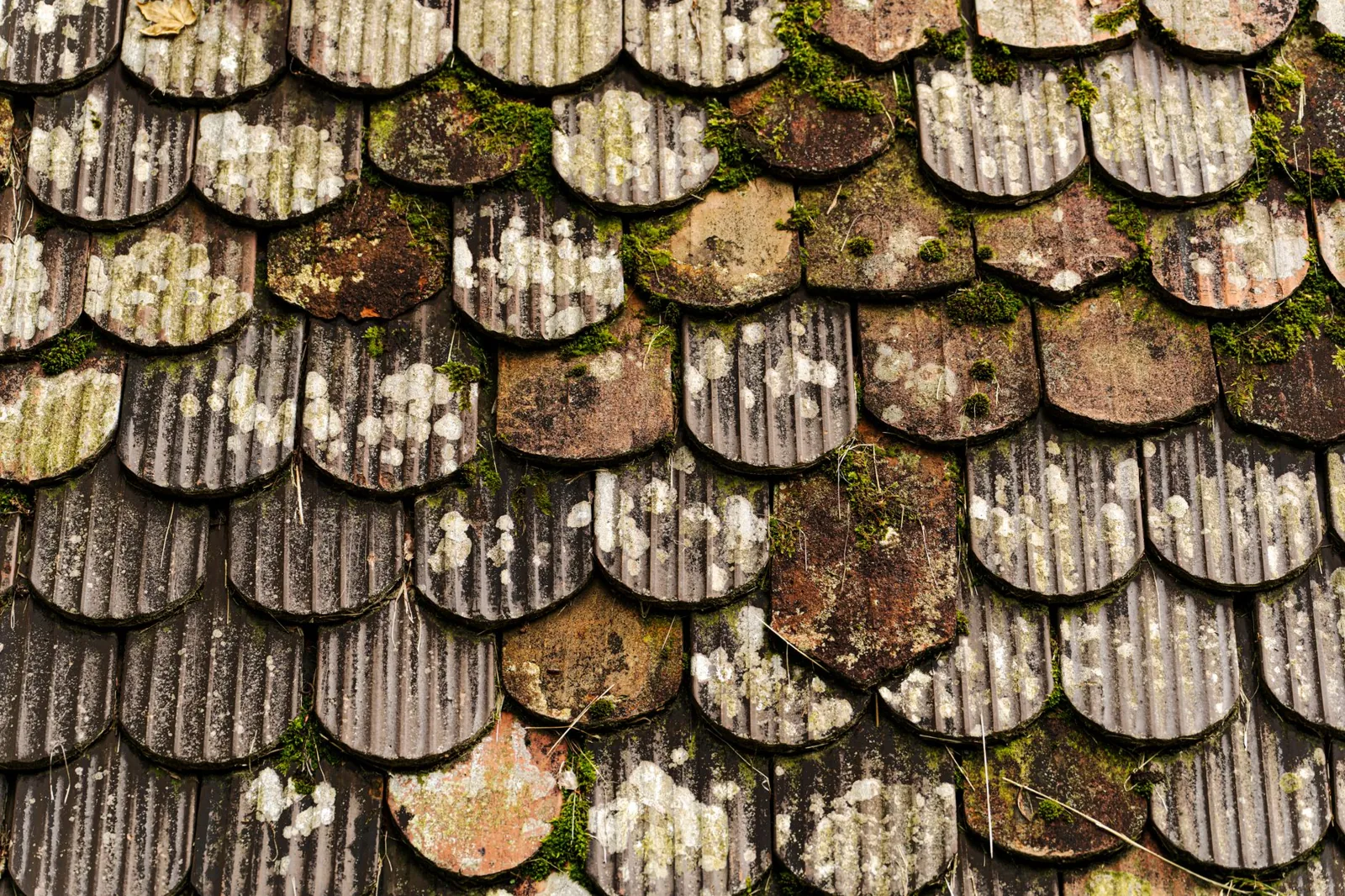
Metal roofs cost more up front but last two to three times as long. Standing-seam metal is the premium pick; corrugated or ribbed panels bring the price down into the $12,000–$20,000 range. Slate and tile are regional love affairs — common in the Northeast and Southwest respectively — and their weight can require structural reinforcement, which adds thousands on top of the material cost.
Cost by Home Size and Roof Complexity
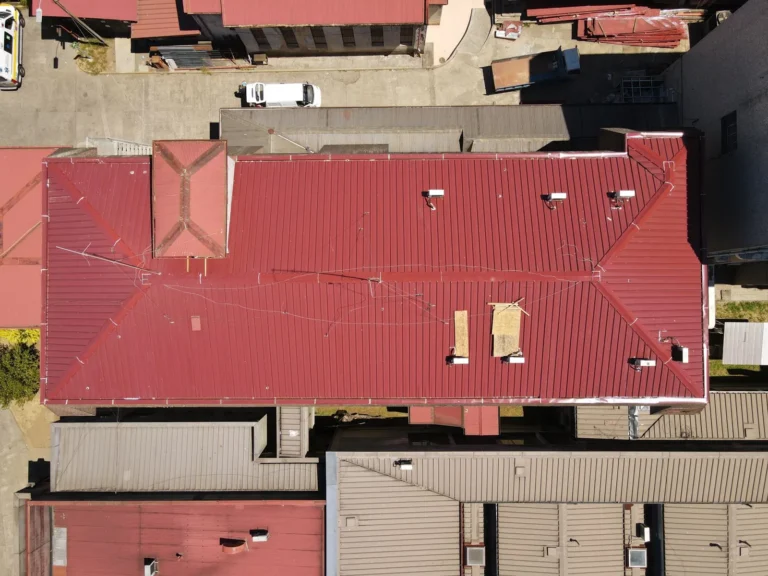
Roof size, not home square footage, is what counts. A 2,000-square-foot single-story home can have a much larger roof surface than a 2,000-square-foot two-story, simply because the footprint is bigger. Roofers quote by the square, so the more surface area, the higher the bill.
As a rough planning guide, a full replacement for an average single-family home typically lands in these ranges:
- 1,000–1,500 sq ft home: $5,000–$10,000
- 1,500–2,500 sq ft home: $8,500–$16,000
- 2,500–3,500 sq ft home: $14,000–$25,000
- 3,500+ sq ft home: $20,000–$40,000+
Pitch matters almost as much as area. A low-slope roof a crew can walk easily is fast. A steep 8/12 or 10/12 pitch requires safety harnesses, staging, and slower work, and many roofers add a 10–30% surcharge for anything steeper than 6/12. Multiple stories add the same kind of premium — hauling shingles up ladders and working at height costs time.
If you want a precise per-square-foot number rather than a whole-house range, our guide on how much roof replacement cost per square foot walks through the math step by step.
Regional Differences in Roofing Prices
Where you live changes the labor rate meaningfully. Roofing in high-cost coastal metros can run 40–60% more than in the Midwest or rural South, purely on labor.
- Northeast and West Coast: $12,000–$25,000 for a typical home; labor is the driver, plus higher disposal fees.
- Midwest and South: $8,000–$15,000; larger supply of crews keeps labor competitive.
- Storm-prone regions (Gulf Coast, Tornado Alley): prices spike after major storms when demand floods the local market, sometimes adding 20–30% for months.
State-level numbers get even more specific. For a detailed look at one high-demand market, see how much roof replacement cost in Texas, where hail seasons and insurance claims shape pricing year to year.
Labor vs. Materials: Where the Money Goes
Understanding the split helps you evaluate quotes and negotiate honestly. For a typical $11,500 asphalt re-roof, expect something like this:
- Materials (shingles, underlayment, flashing, fasteners, drip edge): $4,000–$5,500
- Labor and tear-off: $5,000–$6,000
- Dumpster / disposal fees: $400–$800
- Permits: $150–$500, depending on your town
This is why a “cheap shingle” quote that saves $500 on materials barely moves the total — labor is the fixed cost you cannot avoid. It is also why skimping on materials is rarely worth it. The material delta between a 20-year shingle and a 50-year shingle is a small slice of the project, but the lifespan doubles.
How to Get an Accurate Quote and Avoid Overpaying
Roofers expect you to shop around, and most will sharpen a number to win good work. Run the process methodically and you will land a fair price.
Get at least three written quotes. Specify the exact same scope — same material brand, same shingle type, same decking allowance — so the numbers actually compare. Describe the job the same way to each contractor.
Ask for the quote line by line. A credible roofer breaks out tear-off, materials, decking repair estimate, disposal, and permit. If someone hands you a single round number, ask them to itemize it.
Check the decking clause. This is the classic “gotcha.” Get in writing how much decking replacement is assumed and what the per-sheet cost is if they find more rot. Otherwise you can be hit with a surprise the day of the job.
Verify insurance and licensing. Confirm the roofer carries general liability and workers’ compensation, and that they are licensed where required. A lower quote is no bargain if an uninsured crew does the work.
Consider timing. Roofers book solidly in spring and fall. If you can schedule in late winter or early summer, you may get slightly better pricing or faster scheduling, though the savings are modest.
For a deeper breakdown of the quote itself and what a fair number looks like line by line, read how much does a roof replacement cost.
For current benchmarks and deeper how-to detail, the team at This Old House keeps regularly updated reference guides worth bookmarking.
Frequently Asked Questions
How much would roof replacement cost per square foot?
Most jobs run $4 to $12 per square foot of roof surface, including labor. Asphalt lands toward the bottom of that range, metal and tile toward the top. Keep in mind this is roof area, not your home’s interior square footage.
How long does a roof replacement take?
A typical single-family re-roof takes one to three days for the shingle installation itself. Full tear-off, decking repair, and cleanup usually fit inside a week. Weather and the size of the crew extend that timeline.
Will insurance pay for my roof replacement?
If the damage is from a covered event — hail, wind, a fallen tree — your homeowners policy may cover replacement, minus your deductible. Insurance does not pay for a roof that has simply aged out. Read your policy and file promptly after a storm, because many insurers enforce a claim window.
Can I replace a roof in winter?
Yes, in most climates, though it costs more in snow-heavy regions. Asphalt shingles can be installed in cold weather with extra care, but some manufacturers void warranties below certain temperatures. Mild-climate homeowners can often get better scheduling in winter.
Do I need a permit to replace my roof?
Most municipalities require a permit for a full roof replacement, and your roofer typically pulls it as part of the job. Confirm this is included in the quote, since the fee and responsibility are usually bundled into the contract.
The Bottom Line
How much would roof replacement cost for your home? For most people in 2025, plan on $8,500 to $22,000, with the average sitting near $11,500 for a standard asphalt roof. The figure swings on material, roof size and pitch, labor rates in your region, and whether the decking under your old shingles is still sound.
The single best way to keep the number fair is to get three itemized quotes for an identical scope and to lock down the decking clause before signing. A roof is the one component of your house that protects everything under it, so spend your money on the right material and a licensed crew rather than chasing the lowest number. Start with two or three written estimates this week — the numbers in this guide give you the baseline to know whether a quote is honest.